How to Choose Location for Music Video Like a Pro
Being an award-winning director, my motion work production's goal is to make sure poor backdrops don't clash with an artist's song's vibe, distract viewers from the performance, or waste precious budget on reshoots. Get practical tips on how to choose a location for a music video, including strategies for scouting and creating cinematic storytelling spaces.
How to Choose a Location for a Music Video
To pick the right location for your music video, analyze your music's core content, emotional tone, texture, and pace to create a visual storyboard. Based on your concept, you can scout for locations that meet your budget and technical requirements. Consider the concept's visual identity and production's practical constraints to determine the appropriate location.
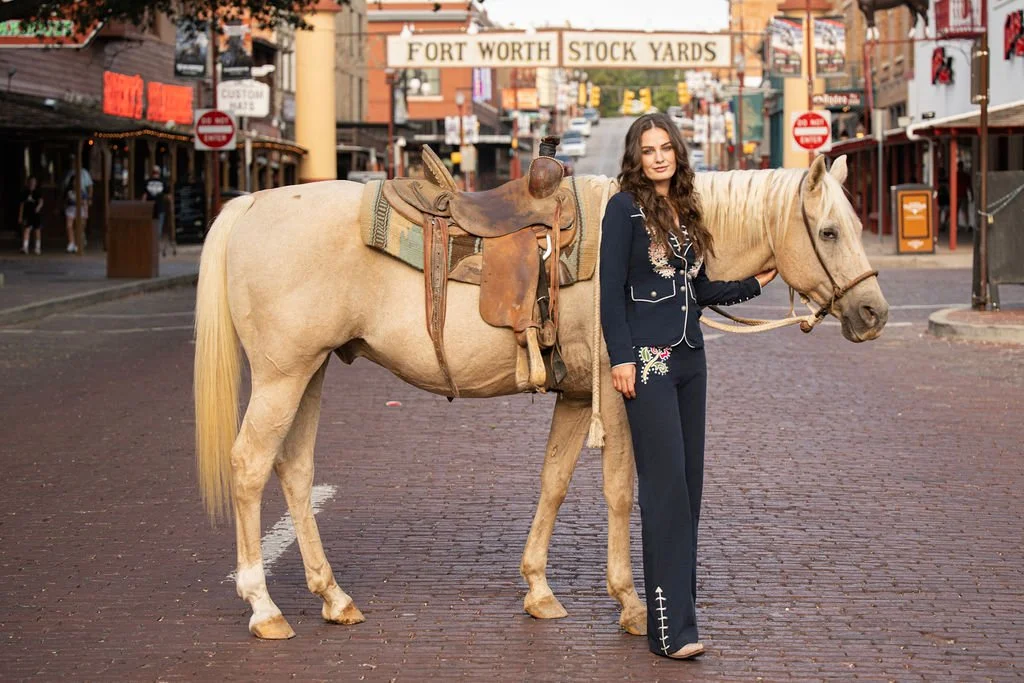
Choosing the wrong location can turn your music video from a potential viral hit into a forgettable blur. With years of directing commercial and creative productions, I'm going to show how I can turn ordinary spaces into a visual production that amplifies every beat and lyric.
1. Determining the Conceptual Alignment and Narrative Fit
When the setting and the sound are in perfect harmony, you create a powerful, cohesive viewing experience that deeply resonates with your audience.
Translating Song's Mood and Lyrics
The environment reflects the song's emotional frequency and thematic complexity, immediately communicating the core message to the audience.
Align the location with the song's emotional core and genre to avoid narrative dissonance.
Choose locations that align with your visual trademarks, such as consistent color schemes, to reinforce your brand recognition as a musician.
Leverage the location's inherent symbolism, like nature for evoking mood or architecture for suggesting period themes.
Visual Storyboarding and Character Environment
Storyboarding integrates the location early, allowing set designers to confirm the creative vision is physically executable at the site.
Sketch the set, background, and props into storyboards for context.
Develop mood boards of tones, textures, and themes to create a cohesive style guide.
Connect with cinematographers to determine if the location's spatial features accommodate planned camera angles and movements.
2. Assessing Logistical Capability and Practicality
A good location fits your music video’s story, budget, and production timeline without creating unnecessary delays or extra costs.
Managing Budget, Permits, and Access Requirements
Money and access shape every shoot, so plan early to avoid surprises that can delay production.
Secure written consent, contracts, and comprehensive insurance while assessing site hazards.
Confirm accessibility for the crew and equipment to prevent delays.
Estimate total costs (fees, travel, taxes) to keep the location a cost-effective choice.
Preparing Technical Considerations
Technical scouting confirms adequate lighting, manageable acoustics, and sufficient space for the crew and equipment.
Audit ambient noise (traffic, HVAC) and check for power supplies to plan for generator and cable runs.
Scout at the exact shoot time to evaluate natural light, measure the available space for the crew, and prepare for any shadows or glare.
Visit the location to map out shots and camera movements, checking if the aesthetics work from every angle and align with the video's cinematic vision.
3. Creating Visual Impact and Unique Atmosphere
The ideal location acts as a stunning canvas that complements the artist without overwhelming them, maximizing visual depth and viewer engagement.
Identifying Texture, Color Palette, and Framing Opportunities
Effective location selection uses surface texture and color schemes to create an immersive, realistic environment.
Avoid flat walls, and shoot into corners and use layers (foreground/background) for a cinematic, 3D image.
Use textures (stone, metal) and select colors that match the mood, adjusting for the planned lighting.
Utilize natural framing lines (windows, doorways) to direct the viewer's eye and match the color temperature to the song's emotional tone.
Finding Contrast and Minimizing Distractions
Visual contrast creates dynamism and interest, keeping you, as the artist, as well as the music, the focal point.
Introduce intentional contrast by mixing color/design (like warm light in a dark space) to make the subject stand out.
Simplify backgrounds by removing distracting elements, like clutter or signage, to maintain focus on the artist.
Balance the tone and theme by matching the location, like a cityscape for fast songs or open spaces for slower, emotional tracks.

What Are the Best Location Types for Music Videos?
Selecting the best location type is vital for a music video because the setting directly establishes the mood, narrative, and visual aesthetic. Using my wide network in location sourcing in Texas (and outside of the state), I can align the creative visions with logistically and financially feasible locations.
| Location Type | Best For | Key Advantage | Main Challenge |
|---|---|---|---|
| Urban streets | Hip-hop, indie rock | Authentic grit, diverse backdrops | Noise, crowds, permits |
| Abandoned buildings | Alternative, grunge | Unique textures, dramatic lighting | Safety hazards, legal access |
| Natural landscapes | Folk, ethereal concepts | Breathtaking visuals, natural lighting | Weather-dependent, remote |
| Warehouses or studios | Pop, dance, performance | Complete creative control | Rental costs, needs set design |
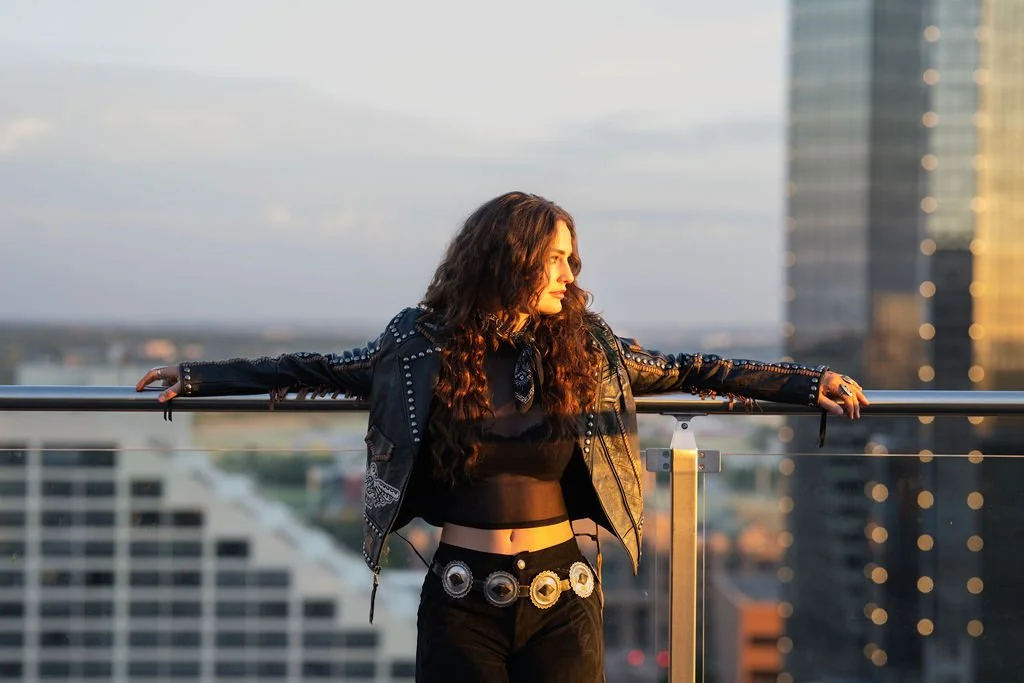
| Rooftops | Urban pop, R&B | Cinematic skylines | Safety concerns, wind |
| Water locations | Summer anthems, tropical | Lively, visually striking reflections | Equipment protection needed |
| Historical buildings | Classical, luxury branding | Architectural prestige | Expensive, heavily restricted |
| Private residences | Intimate ballads | Cost-effective, controllable | Limited visual interest |
| Commercial spaces | Fashion-forward, nightlife | Built-in design appeal | Restrictive contracts |
| Highways/roads | Road trip themes | Dynamic movement, scope | Dangerous, heavy permits required |
Related Questions
How to Find Locations for Music Videos?
You can find locations for music videos by brainstorming creative options that match your song's mood, then physically scouting potential locations to assess practical logistics. My creative team and I can guide you through this process to scout and secure striking, logistically sound, and visually perfect locations.
How Many Locations Should a Music Video Use?
You should have the number of locations that best serve the conceptualization of your music video and budget. Even a single powerful location can be as impactful as multiple dynamic settings. I can tailor the location count to your concept, making sure each setting contributes meaningfully to the video's narrative and visual flow without complications.
Where Is the Best Place to Film Music Videos?
The best place to film music videos is the one that most perfectly complements your song's message, aesthetic, and personal brand. Whether it's a hotel in the Dallas-Fort Worth area or a nature spot in any city, the ideal location is the spot that vividly brings your music video concept to life while respecting practical and budgetary constraints.
Conclusion
Ready to create a music video that stops the scroll? Selecting the right location requires creative vision, diligent logistics, and a sharp eye for visual opportunity. With my music video direction and production, I can transform your artistic vision into a visual masterpiece that resonates with audiences and amplifies your music across platforms.