Editorial Photography vs. Commercial Photography: Which Do You Need?
Choosing the right type of photography affects how your audience sees your story, product, or brand. Whether you're planning an editorial feature or a commercial campaign, knowing how the images will be used helps determine the production, permissions, and licensing you may need.
Across Texas, I work on both editorial and commercial photography, giving brands, agencies, and publications a single creative partner for everything from story-driven features to polished advertising campaigns. This guide explains how the two differ, what each requires, and how to choose the right approach for your project.
TL;DR
Editorial photography primarily informs, illustrates, or tells a publication-driven story, while commercial photography promotes a product, service, company, or campaign.
The distinction often depends on how you plan to use the image, not simply how the photograph looks.
Commercial use requires closer attention to model releases, locations, trademarks, copyrighted material, and other third-party rights.
The photographer usually owns copyright unless a valid work‑for‑hire or assignment says otherwise.
What Editorial Photography Means
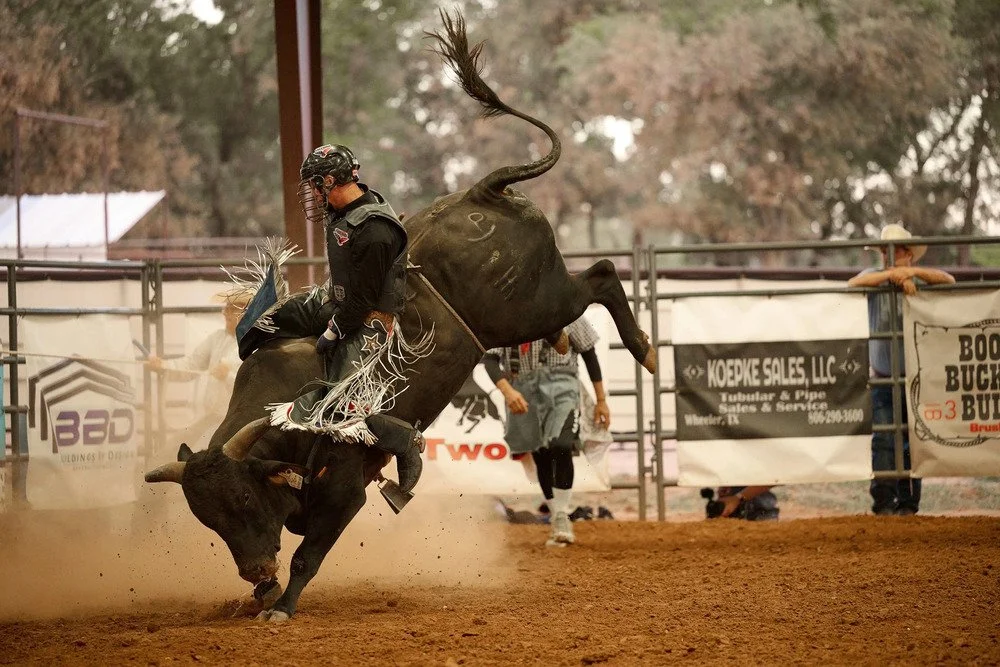
Editorial photography supports journalism, commentary, education, and publication-driven storytelling. If you're commissioning images for a magazine feature, interview, reported story, or similar editorial project, the photographs primarily support the story rather than directly advertise a product or service.
In the U.S., legitimate news, commentary, and matters of public interest generally receive substantial First Amendment protection, so model releases are often unnecessary for lawful editorial use. Privacy, access, defamation, minors, and state or international laws can still affect what you may photograph or publish.
What Commercial Photography Means
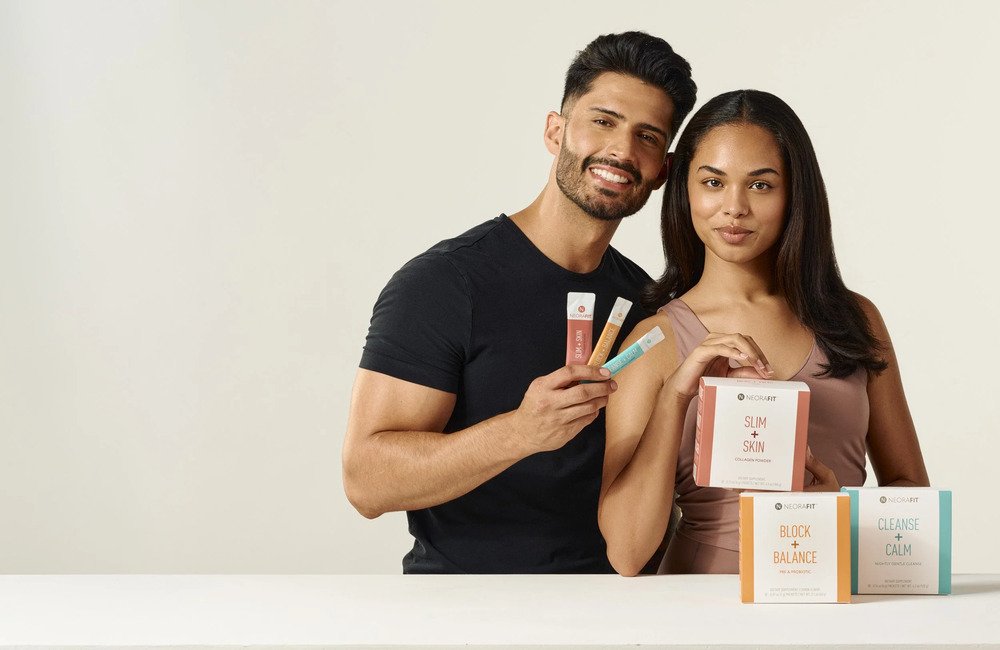
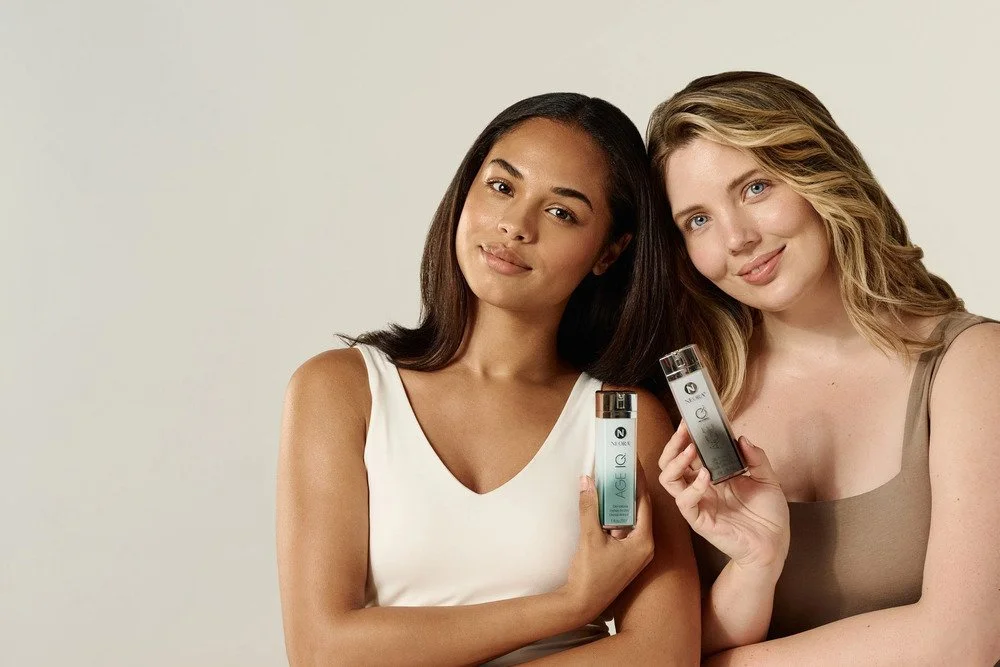
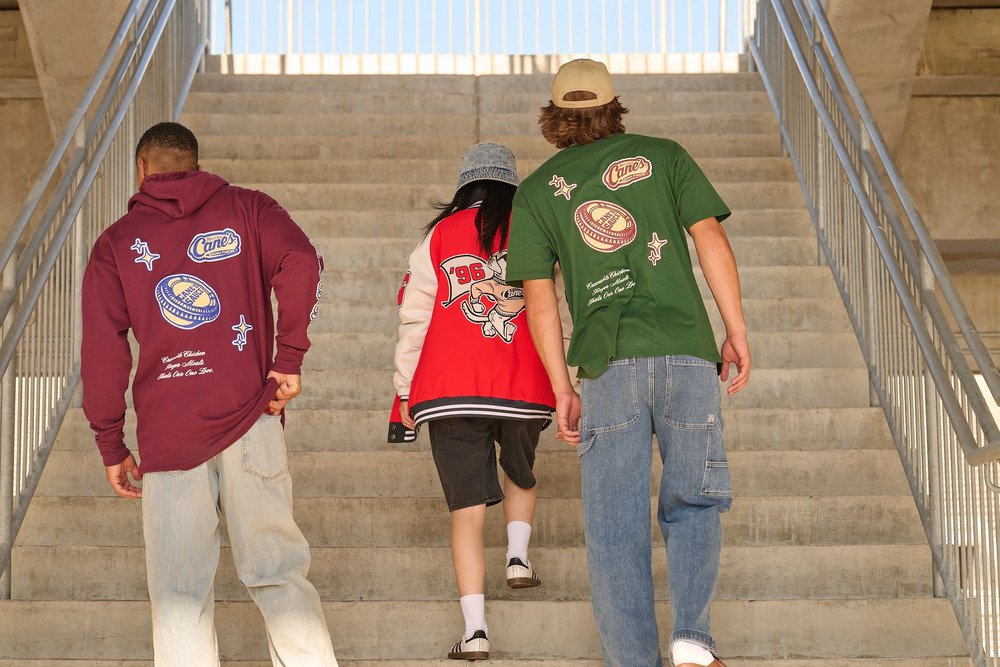
Commercial photography is created to market or promote a product, service, company, or campaign. Common uses include website content, catalogs, magazine ads, billboards, social campaigns, in-store displays, lookbooks, and other branded marketing materials.
Commercial projects require closer attention to permissions and third-party rights. Model releases are standard for recognizable talent, while private locations, artwork, trademarks, or distinctive branded elements may require separate agreements or clearance depending on the planned use.
Editorial Photography vs. Commercial Photography: Key Differences
Recognizing where story-focused visuals end and sales-driven imagery begins keeps your vision clear from the moment initial ideas hit the drawing board.
| Aspect | Editorial Photography | Commercial Photography |
|---|---|---|
| Purpose | Inform, educate, or comment | Promote or sell a product, service, or brand |
| Typical Placements | News stories, features, textbooks, documentaries | Ads, product pages, packaging, brand social, email campaigns |
| Releases | Often not required for informational use; follow privacy and access rules | Model releases are standard for recognizable talent; location agreements and other rights clearances may also be needed. |
| Trademarks & Logos | Often incidental, factual reference | Heightened risk of implying sponsorship or endorsement |
| Creative Direction | Story driven; lighter brand control | Brand driven; specific briefs, styling, and approvals |
| Licensing | Usually editorial‑only, limited promotional reuse | Advertising licenses with defined media, term, territory |
| Risk & Review | Legal review situational | More extensive licensing, releases, contracts, and rights review are common, especially for larger campaigns. |
Legal and Licensing Basics You Should Know
Before your shoot, define how and where the images will be used so you can address licensing, permissions, and production needs early. My team can then coordinate production details such as locations, permitting, casting, crew, logistics, and post-production.
Copyright ownership: The photographer usually owns the copyright unless a valid work-for-hire agreement or written copyright assignment says otherwise. Clients typically receive usage rights through a license.
Model releases: Model releases document consent to use someone’s likeness. They're commonly used for advertising and promotional photography to reduce right-of-publicity and misappropriation risks.
Locations and third-party property: Private locations may require permission or location agreements. Visible artwork, trademarks, trade dress, or other protected elements may need separate review or clearance.
Trademarks and false endorsement: Prominent third-party branding can create sponsorship or endorsement concerns. Review how logos and branded elements appear and obtain permission when the use could imply affiliation.
Buildings and public places: U.S. law generally allows photography of buildings visible from public places. Separate rules may still apply to private property, interiors, artwork, or other protected elements.
Endorsements and sponsored content: Testimonials and endorsements must be truthful and not misleading. Unexpected material connections between an advertiser and endorser generally should be clearly disclosed.
Once you share your intended media, locations, talent needs, and deliverables, I can build those requirements into pre-production rather than addressing them after the shoot.
How to Choose for Your Project
Choose editorial photography when your primary purpose is journalism, commentary, education, or publication storytelling, not promotion. Magazine features, interviews, reported stories, and publication editorials are common examples.
If you're commissioning branded content, don't rely on visual style alone. Editorial-looking photography may still be commercial when you intend to promote your company, product, or service.
Choose commercial photography when you need imagery for an advertising campaign, website, billboard, catalog, lookbook, social content, in-store display, or other brand marketing. Your brief should identify the planned placements so production and licensing can be built around how the finished work will actually be used.
If your shoot requires a larger production, my production crew can coordinate models, stylists, hair and makeup, locations, lighting, producers, and crew around your creative brief.
Budgets, Timelines, and Deliverables
Editorial production can range from a simple documentary assignment to a highly produced fashion spread. The crew, styling, location needs, and schedule should reflect the publication and creative brief, not the editorial label alone. Deliverables may include a photo essay, a selection of reportage images, and captions.
Commercial shoots can range from streamlined content sessions to large advertising productions. Your media plan should guide the shot list, crops, formats, retouching, and licensing needed for web, print, OOH, social, or other placements.
Examples
These examples show how editorial and commercial photography differ in practice and how the intended use shapes the production, creative direction, and deliverables.
Magazine Fashion Spread
A Western-themed magazine commissioned a fashion-forward editorial spread set against the authentic backdrop of a working Texas ranch. The visual story highlights seasonal style trends alongside narrative text without selling a specific garment line.
For an editorial project like this, the creative brief may prioritize styling, setting, mood, and storytelling. Any required releases or permissions still depend on the talent, locations, and intended publication use.
Multi-Channel Commercial Campaign
A footwear brand plans a major seasonal commercial launch showcasing leather shoes across digital and print channels. The photos run in targeted social ads, web banners, and in-store retail displays.
For a commercial campaign like this, the client and production team should define usage rights, talent releases, locations, and other necessary clearances according to where the imagery will run.
Actionable Steps / Checklist
Before booking or briefing your shoot, use this checklist to define what you need from the production and what information your photographer will need from you.
Define the goal: Determine if your goal is to inform or promote. If it promotes, treat it as commercial.
Share your media plan: Tell your photographer where the imagery will appear so the production can plan the necessary crops, formats, and deliverables.
Lock usage terms: Set the media, territories, languages, start date, and duration.
Confirm required permissions: Discuss model releases, location agreements, and access requirements with the production team before the shoot.
Review third-party elements: Identify prominent logos, artwork, branded products, or trade dress, and decide whether to remove, minimize, or clear them separately.
Set deliverables: Confirm the shot list, aspect ratios, retouching notes, captions, and alt text.
Nail authorship: Check copyright ownership, work‑for‑hire status, or written assignment, and keep copies of all agreements.
Plan final review: Confirm that finished assets meet your brand, publication, licensing, and usage requirements before distribution.
Glossary
Clear industry terminology gives you complete confidence during every creative review and contract discussion.
Editorial Use: Using images to inform, educate, or comment on matters of public interest, not to sell.
Commercial Use: Using images to advertise, market, or promote a product, service, or brand.
Model Release: A signed consent that allows specified uses of a person’s likeness.
Property Release: Written permission from an owner to use images of identifiable private property in ads.
Right of Publicity: A state-law right to control the commercial use of one’s name, image, or likeness.
Work‑For‑Hire: A narrow doctrine where the employer or qualifying commissioner is the legal author if strict conditions are met.
False Endorsement: A claim under trademark law when advertising creates confusion about sponsorship or approval.
License: Permission that defines how, where, and for how long you can use the images.
FAQ
Q: Do I need releases for street photos I publish in a news article?
A: Usually no, if the use is editorial and lawful, but follow privacy and access rules and avoid misrepresentation.
Q: Is a brand’s social media post commercial?
A: If the post promotes your company, products, or services, it should generally be treated as commercial use. Plan appropriate releases and review any locations, artwork, logos, or other third-party elements based on how the image will be used.
Q: Who owns the photos when I hire a photographer?
A: By default, the photographer owns them, unless a valid work‑for‑hire applies or you have a written assignment of copyright.
Q: Can I show logos in an ad without permission?
A: Not necessarily. Context matters, so prominent third-party branding in commercial photography can raise confusion about affiliation, sponsorship, or endorsement.
Q: Can I photograph buildings I see from the street and use the images in ads?
A: U.S. law allows photographing constructed buildings visible from public places. Clear people, private interiors, trademarks, and location rules for ads.
Final Thoughts
Start with where and why you plan to use the finished images. Publication-driven storytelling generally points toward editorial photography, while imagery created to promote your company, product, service, or campaign should usually be planned as commercial photography.
I work across both editorial photography and full-scale commercial campaigns. My commercial and editorial photography team supports brands, agencies, and publications throughout Dallas and Fort Worth while also traveling for productions elsewhere, shaping each shoot around its creative goals, locations, casting, still photography, motion, and post-production.