Lifestyle Photography vs. Commercial Photography: What’s the Difference
If you have ever wondered why some photos feel like a slice of life while others look ready to sell you something, you're sensing the split between lifestyle and commercial photography. The terms often overlap, which can confuse creatives and clients.
This guide clears it up. You will learn what each approach is, how they differ, where they overlap, and how to choose the right one for your project without wasting time or money.
TL;DR
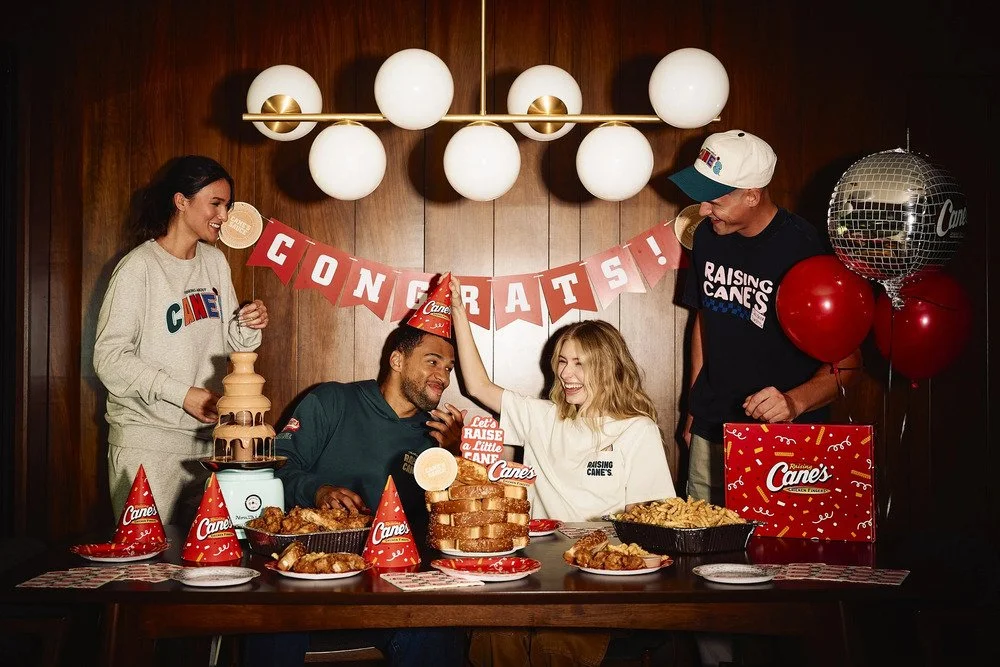
Lifestyle photography describes a visual approach centered on believable, real-life moments, while commercial photography is defined mainly by its business purpose. A campaign can be both lifestyle and commercial.
The same photo can be shot in a lifestyle style and still be commercial if you use it in advertising.
Commercial projects typically require clearly defined usage rights, appropriate releases, brand alignment, and specific creative or marketing objectives.
Ownership, releases, and trademark issues matter more in commercial work. Plan them early.
Pick based on your goal, audience, and distribution, then plan production to match.
What Each Term Really Means
Understanding the difference helps you choose the right creative approach, production plan, and usage strategy for your campaign. For Dallas brands and visiting production teams alike, that may mean shooting in studio or building the concept around a Texas location.
Lifestyle Photography Explained
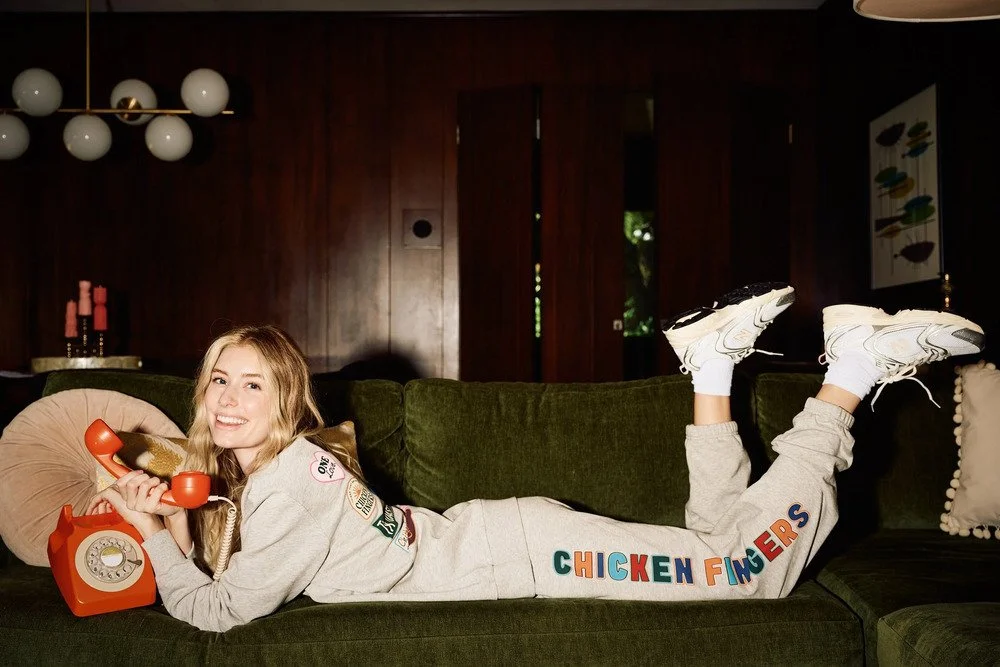
Lifestyle photography creates believable moments that show people, products, or services in a real-world context. The scenes may be carefully planned and directed while still feeling natural, candid, and relatable. Shoots may be lightly directed, but the result feels candid and relatable. Think morning routines, friends cooking, or a runner tying shoes at sunrise.
For brands that want that natural feel without leaving the outcome to chance, my team creates lifestyle photography and video around real emotion, intentional direction, and the way your product fits into the scene.
Commercial Photography Explained
Commercial photography serves a business purpose, such as advertising a product, building brand awareness, supporting a launch, or supplying marketing content. Its appearance can range from highly polished studio imagery to natural lifestyle photography. This includes ads, product launches, packaging, e‑commerce listings, and campaign visuals.
The creative may look natural or highly produced, but the purpose is promotion. My Dallas-based production team can carry that concept through both still photography and motion so that brands can plan campaign assets around the same visual direction.
Style vs. Purpose
The easiest distinction is that lifestyle usually describes how the photography looks and feels, while commercial describes why it was created and how it will be used.
A lifestyle campaign created for advertising is both lifestyle and commercial photography. An editorial magazine can run a lifestyle spread to tell a story, which isn't a commercial advertisement even though the style is lifestyle.
Lifestyle Photography vs. Commercial Photography: Key Differences
Recognizing these distinct approaches helps you choose the visual strategy that best connects with your target audience.
| Factor | Lifestyle Photography | Commercial Photography |
|---|---|---|
| Core Aim | Tell a believable story about people and moments | Achieve a business goal like sales, signups, or brand lift |
| Typical Use | Brand campaigns, websites, editorial features, social media, hospitality, fashion, product storytelling, and advertising | Advertising, websites, product launches, e-commerce, social campaigns, billboards, catalogs, packaging, and in-store marketing |
| Retail Properties | Exterior and storefront photography; street-level video; drone context where appropriate; Google Street View virtual tour; interior photography; neighbourhood and pedestrian-flow visuals | Signage; visibility; frontage; foot traffic; parking; nearby anchors; customer experience |
| Direction | Light prompts to keep it natural | Tighter art direction, brand guidelines, approvals |
| Casting | Real people or models who feel authentic | Models or talent matched to brand, often by casting |
| Locations | Homes, businesses, streets, studios, or other locations that support a believable story | Studios or locations selected around the campaign concept, logistics, permissions, and production needs |
| Deliverables | A cohesive set that feels documentary | Specific formats and crops for ads, e‑commerce, OOH |
| Legal/Business | Releases helpful if widely published | Model/property releases, licenses, and clear usage terms are standard |
| Success Metric | Emotional resonance and storytelling | Conversions, CTR, brand recall, or client KPIs |
| Budget/Schedule | Production scale varies; direction typically prioritizes natural interaction and believable moments | Budget and schedule reflect talent, crew, locations, licensing, deliverables, production, and post-production |
Planning Differences That Matter
Behind every iconic campaign lies a tailored production process designed to protect your investment and keep timelines on track.
Pre-Production
If you're planning a lifestyle campaign, start with a clear story and shot list while leaving room for authentic interactions. Your photographer and production team can then shape the locations, lighting, and direction around that natural feel.
For a commercial campaign, define your campaign goal, target audience, distribution channels, and required deliverables first. From there, the production team can translate those needs into creative direction, locations, usage planning, approvals, and shoot logistics.
If you need those pieces managed together, my lifestyle and commercial photography production handles estimates and mood boards through casting, location sourcing, permitting, crew coordination, and post-production.
Talent, Releases, and Rights
If you plan only personal or editorial use, releases may be optional for lifestyle photography, but they're still smart when people are recognizable and distribution is broad. Right-of-publicity laws vary by state.
For a commercial campaign, secure releases and usage rights before production. Your photographer or production team can help identify the model releases, location agreements, and permissions the project may require.
Clarify copyright and usage rights before production. In the U.S., the photographer generally owns the copyright initially unless a valid work-made-for-hire arrangement or written copyright transfer applies. Paying for a commercial shoot doesn't by itself transfer copyright, so the agreement should clearly define how and where the client may use the images.
Trademarks, Brands, and Logos
In terms of lifestyle photography, a stray logo on a T‑shirt may slip into an editorial story, but it can cause trouble in ads.
Meanwhile, in commercial campaigns, prominent third-party logos, branded designs, and trade dress can create clearance or brand-confusion issues. A production team can flag those elements in advance and remove, replace, obscure, or clear them when appropriate.
Trademark rules aim to prevent consumer confusion about sponsorship. When in doubt, swap or remove marks in wardrobe and set design.
Production and Post
For lifestyle photography, the finished images may feel spontaneous, but production can still involve professional lighting, styling, talent, and a full crew behind the scenes.
As a client, you should share where and how the campaign assets will be used before production begins. That allows the commercial photography team to plan lighting, capture, retouching, crops, and file delivery around the final placements.
My local production team can carry those requirements through both still and motion production, keeping the visual direction consistent from the shoot through final delivery.
When Commercial and Lifestyle Photography Overlap
Many advertising campaigns use lifestyle imagery because it makes products and brands feel more relatable. The production remains commercial, with usage rights, releases, deliverables, and creative direction planned around the campaign.
If you're deciding what kind of shoot to commission, start with one question: What must the finished images accomplish for your brand? If it promotes a product or service, treat it as commercial even if it looks candid.
My lifestyle and commercial work is built around that overlap, combining natural-looking moments with the planning required for advertising, web, social, print, and motion campaigns.
Examples
These scenarios demonstrate how lifestyle intimacy and commercial strategy blend seamlessly in practical campaign settings.
Hotel and Resort Lifestyle Campaign
A hotel or resort wants imagery for its website, social media, and seasonal advertising. The creative may show guests relaxing by the pool, dining on property, or enjoying the surrounding destination so the experience feels natural and inviting.
The style is lifestyle, but the project is commercial because the images market the property. The production may involve talent, styling, location planning, releases, and a usage agreement covering web, social, and advertising placements.
Fashion Brand Advertising Campaign
A fashion brand needs campaign imagery for its website, social ads, catalogs, and in-store marketing. The concept may show models wearing the collection in an environment that captures the clothing's personality and feel, rather than relying only on straightforward product shots.
The imagery can feel natural and lifestyle-driven, but the production is fully commercial, with casting, wardrobe, lighting, locations, usage rights, and deliverables planned around the campaign. The same creative direction can also extend into motion assets for web and paid advertising.
Actionable Steps / Checklist
Before hiring or briefing a photography team, use these questions to clarify what your campaign needs from concept through final delivery.
Define the goal in one sentence: If it promotes or sells, treat the project as commercial.
Map your distribution: Identify where the images will appear, including web, social, print, advertising, and any required formats or aspect ratios.
Clarify copyright and usage rights: Put the applicable license, copyright transfer, or legally valid work-made-for-hire terms in writing.
Discuss casting and releases: Confirm who will appear in the campaign and which talent, location, or property permissions the production team must secure.
Flag third-party branding: Ask the production team to identify logos, packaging, wardrobe, or set details that may need to be removed, replaced, or cleared.
Allow time for production and approvals: Your schedule may need to account for casting, locations, weather contingencies, client review, retouching, and final delivery.
Plan your deliverables before the shoot: Identify the crops, orientations, resolutions, stills, motion assets, and platform-specific versions your campaign will need.
Track results: When campaign data is available, evaluate engagement, conversions, sales, or brand-lift metrics alongside the creative goals established before production.
Glossary
Knowing familiar terms and industry language keeps everyone aligned from creative strategy sessions to final contract sign-offs.
Lifestyle Photography: A style that shows believable, everyday moments to tell a human story.
Commercial Photography: Images created to promote a product, service, or brand and drive a business result.
Model Release: A signed permission from a recognizable person allowing specified uses of their likeness, often required for advertising.
Property Release: A signed permission from a property owner to use images of recognizable private property in advertising.
Work Made For Hire: A legal status where the hiring party is considered the author and initial copyright owner when strict conditions are met.
License: A written agreement granting specific rights to use photos for defined channels, territories, and time periods.
Right of Publicity: State law protection of a person’s name, image, and likeness from unauthorized commercial use.
Trademark: A word, phrase, symbol, or design that identifies the source of goods or services.
FAQ
Q: Can lifestyle photos be used in ads?
A: Yes. If the photos promote a product or service, they're commercial in use, even if shot in a lifestyle style. Secure releases and clarify licensing.
Q: Do I always need a model release?
A: For advertising or promotional use involving recognizable people, obtaining appropriate releases is standard practice. Exact legal requirements can vary by state, circumstances, and intended use.
Q: Who owns the photos from a commercial shoot?
A: By default, the photographer owns the copyright unless a valid work made for hire or a written transfer applies. Most clients receive a license that fits their needs.
Q: What about logos or brand names in the frame?
A: Prominent third-party branding can create clearance or sponsorship concerns in advertising. Production teams often remove, replace, obscure, or clear those elements when appropriate.
Q: How should I budget differently?
A: Commercial work usually adds line items for talent, releases, art direction, permits, usage licensing, post‑production, and file delivery specs.
Final Thoughts
You don't always have to choose between lifestyle and commercial photography. If your project promotes a brand, product, or service, you can use a lifestyle approach while still planning the production around commercial goals, rights, deliverables, and distribution.
For brands producing campaigns across Dallas-Fort Worth or bringing a project into North Texas, my commercial and lifestyle photography team can shape the still and motion production around the concept, from casting and location planning through shoot-day execution and post-production.