Fashion Lookbook Photography: What It Is and How to Plan One
A strong fashion lookbook introduces a collection through images that highlight the garments, styling, and creative direction. It gives customers, buyers, and editors a clearer understanding of your designs.
It shows how pieces move, mix, and feel in real life, not just on a hanger. When done well, it becomes the backbone of your season’s marketing across web, social, and wholesale.
For fashion brands preparing a collection launch, Dallas–Fort Worth-based photographer Dixie Dixon offers customized lookbook photography and full-service production. From studio sessions in Dallas to location shoots around Fort Worth, the team works with designers and agencies to create images that reflect each collection's creative vision.
This guide breaks down what a fashion lookbook is, how it differs from other shoots, and exactly how to plan one. You will learn the roles, timelines, legal basics, and a practical workflow you can use on your next launch. A clear plan keeps your shoot on time, on budget, and on brand.
TL;DR
A lookbook is a curated set of photos that presents a fashion collection through styled outfits and sequencing.
Decide up front if your use is commercial or editorial because that drives releases, permits, and usage.
By default in the U.S., the photographer is the initial copyright owner unless it's a work made for hire, so set usage rights in writing.
Get signed model and property releases for commercial uses. The need depends on how images are used.
Some cities require permits or a letter in lieu for certain public shoots. Check local rules early.
What a Fashion Lookbook Is
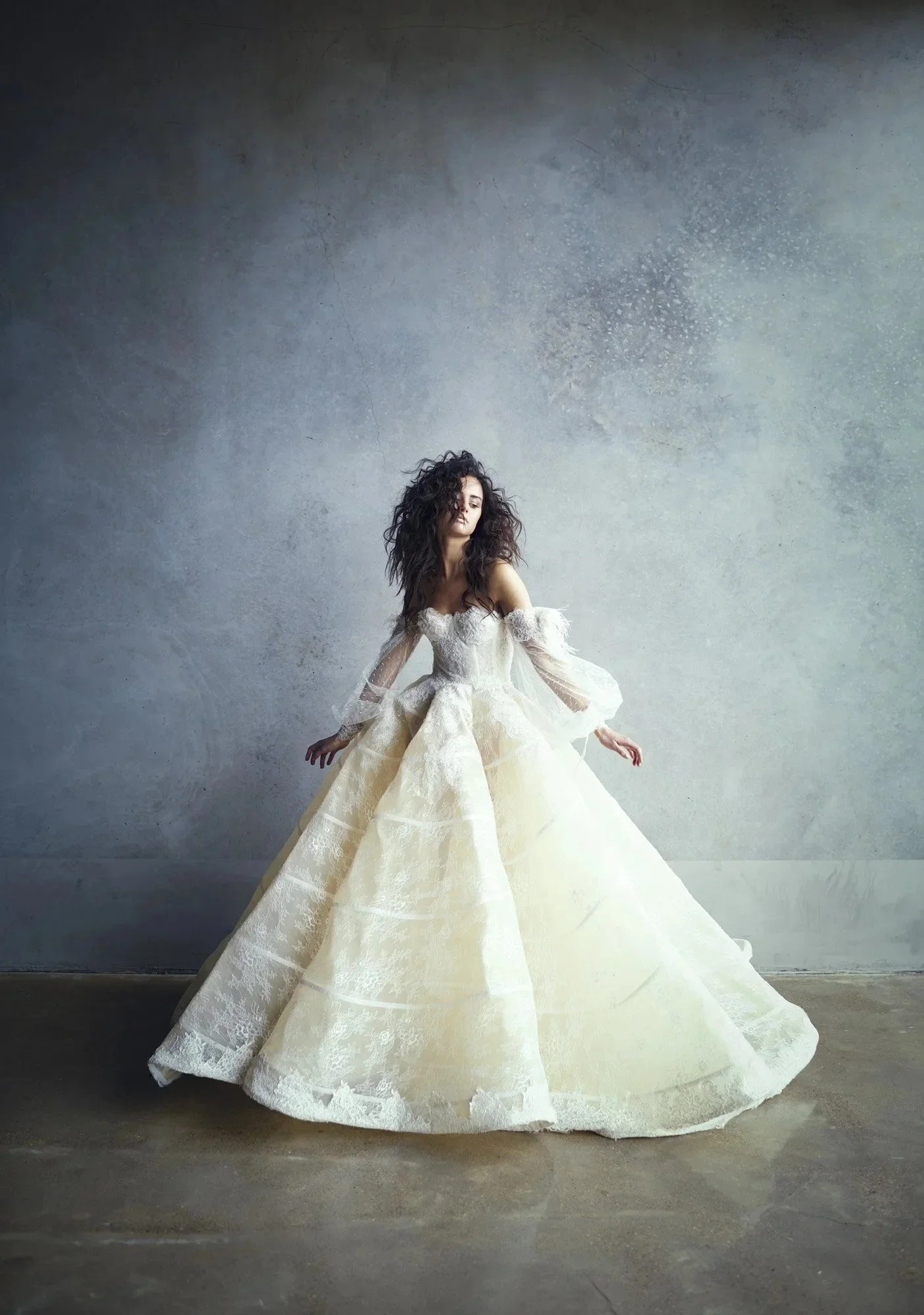
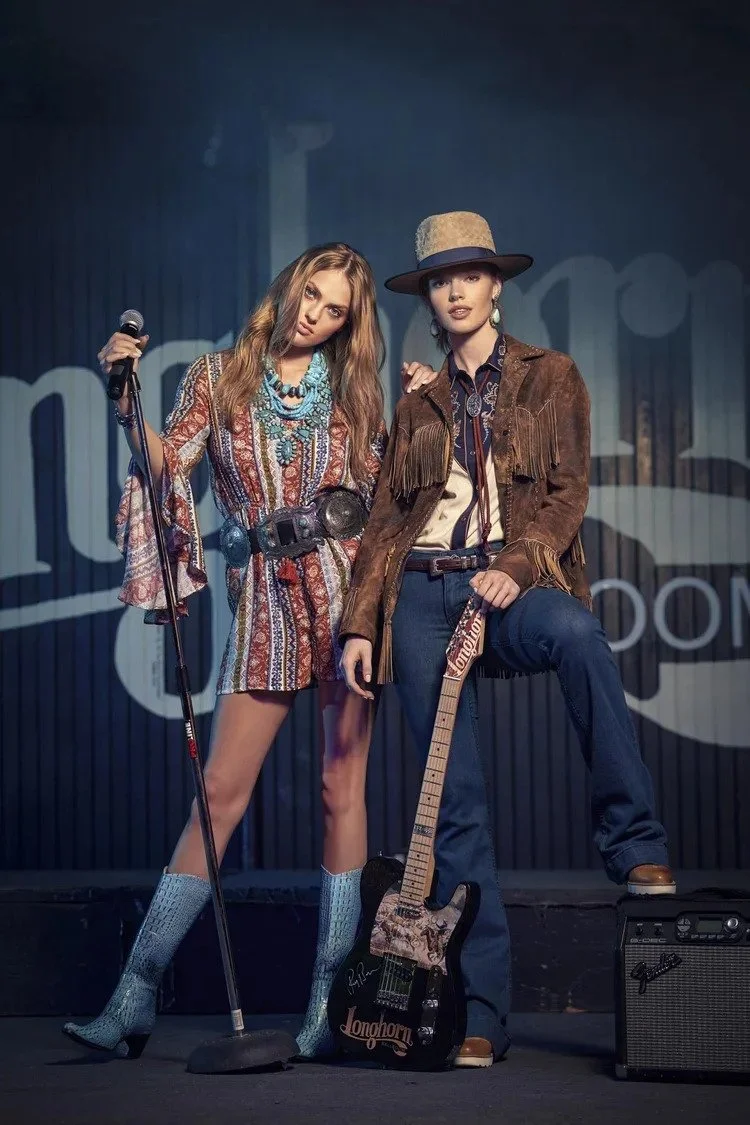
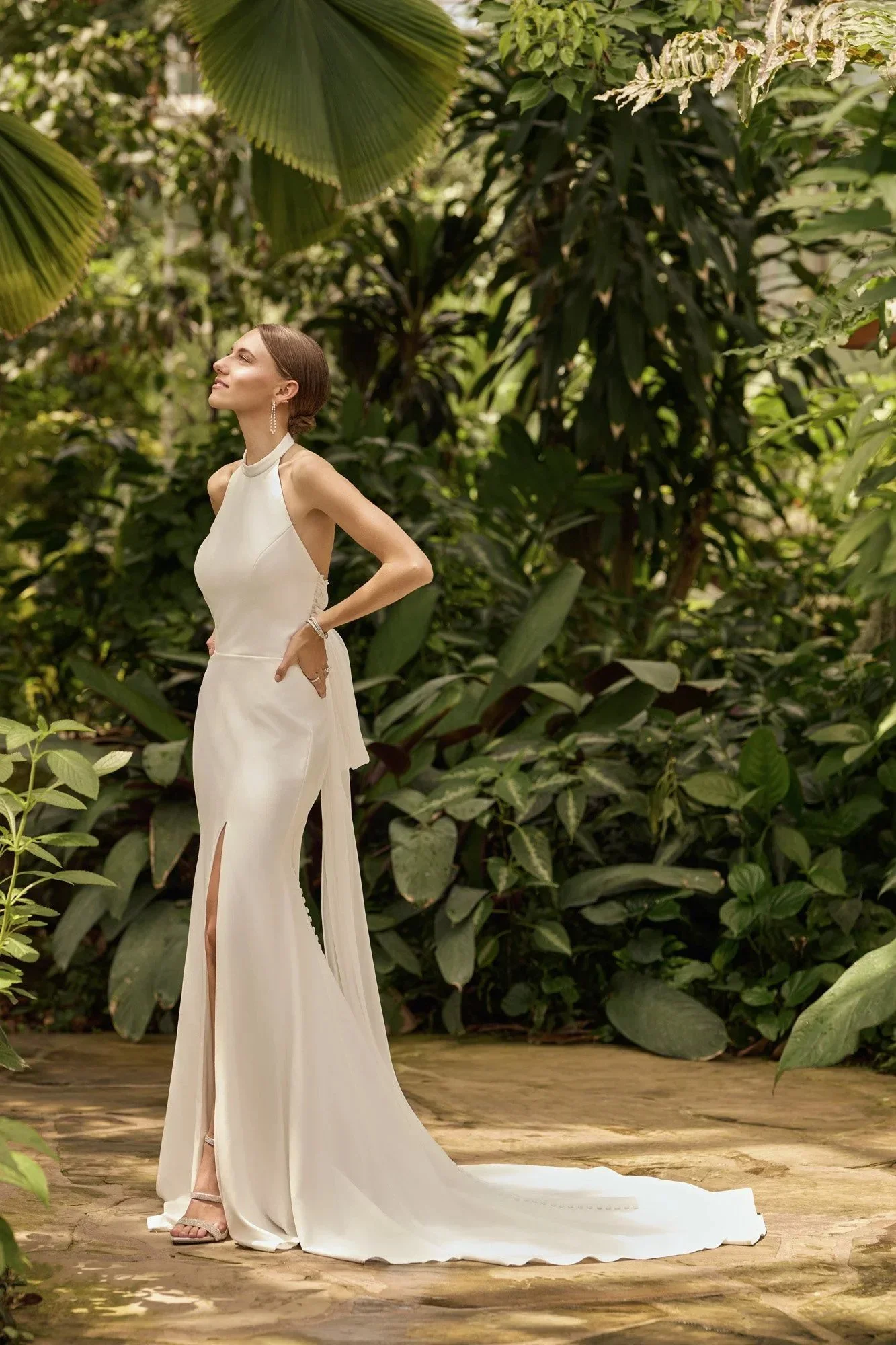
A fashion lookbook is a cohesive photo series that showcases a brand’s collection through styled looks, casting, location, and sequencing. It's designed for quick scanning and emotional impact, so buyers, editors, and customers can grasp the season's story in minutes.
Lookbooks differ from catalogs and line sheets. A product catalog emphasizes individual garments through clear images and product details. A line sheet provides wholesale buyers with information such as style numbers, available sizes, pricing, and ordering terms.
A fashion lookbook focuses more on how the collection looks and feels when styled together. Meanwhile, a lookbook sits between art and commerce: it sells the mood and context that make garments desirable.
Editorial vs. Commercial Use Drives Your Plan
Use, not how you shot, determines legal needs and distribution. Editorial use generally involves photography created for journalistic, informational, or publication-driven storytelling.
Commercial use involves images used to advertise or promote a product, service, or brand. In contrast, an editorial-style lookbook can still serve a commercial purpose when your brand uses it for marketing.
Quick Comparison: Editorial Lookbook vs. E‑Commerce Lookbook
Choosing between narrative storytelling and sales-focused clarity shapes every creative choice long before cameras start rolling.
| Type | Editorial Lookbook | E‑Commerce Lookbook |
|---|---|---|
| Primary Goal | Tell a seasonal story for press and buzz | Drive conversion and wholesale sales |
| Styling & Casting | Fashion-forward styling; expressive posing; model mix | Consistent styling; clear fit; size variety |
| Locations | Narrative spaces; street or set builds | Controlled studio or clean, readable locations |
| Deliverables | Hero edits for PR, magazines, and social | Full looks, detail crops, banners, and thumbnails |
| Releases Needed | If used only editorially, releases may be less common; using images to promote a brand is commercial, so get releases | Model and property releases are standard for commercial use |
Commercial uses generally require signed model and property releases. Many brands treat any brand-owned lookbook as commercial and collect releases as standard practice.
Core Team and Roles
The size of your collection, creative concept, and budget will determine the size of your fashion lookbook production team. A smaller shoot may require only a few specialists, while a larger campaign can involve producers, stylists, models, assistants, and digital technicians.
Creative director: Sets concept, references, and visual guardrails.
Producer: Builds budget, hires crew, manages permits and insurance.
Photographer: Plans lighting, the shot list, and the file-delivery workflow.
Stylist: Maps looks to story; tracks continuity and fit notes.
Hair/makeup: Adapts beauty to the day's arc.
Retoucher/designer: Polishes files; lays out the final PDF or pages.
You don't need to hire every specialist separately. My full-service fashion photography team can coordinate models, stylists, hair and makeup artists, lighting, and production crew based on your shoot's requirements.
Preproduction: Decisions That Make or Break the Shoot
Before your fashion lookbook shoot, clarify your collection's goals, target audience, budget, and preferred timeline. Photographers and production teams can use these details to develop the creative direction, coordinate logistics, and prepare for shoot day.
Define the Concept and Story
Start by gathering reference images that communicate your collection's mood, colors, styling, and overall visual direction. Use these references to create a mood board that helps your photography team understand the look you want to achieve.
Share your preferred colors, styling references, and ideas for how the collection should feel. My creative team can use this direction to develop a treatment covering the visual mood, lighting, casting, and overall lookbook concept.
If you're unsure how to translate your collection into a visual concept, my production team can help develop mood boards and creative plans before the fashion lookbook shoot.
Lock Usage, Rights, and Releases
In the U.S., photographers generally own the copyright to their images unless the work qualifies as work made for hire or ownership is legally transferred. Before your shoot, confirm which marketing channels your license covers and whether any restrictions apply. Arrange appropriate model releases and location permissions based on your intended use.
If you plan to use your fashion lookbook images across your website, advertising, and social media, communicate those requirements during preproduction. Your photography agreement should reflect how you intend to use the finished images.
Plan Around Logos, Art, and Trademarks
Third-party logos, artwork, and distinctive branded elements may require clearance, especially when their appearance suggests an endorsement.
Scout Locations and Check Permits
Whether it's outdoor or indoor, choose a location that complements your collection and provides enough space for models, lighting, and wardrobe changes. In Dallas–Fort Worth, some commercial photography locations require permits or advance permission, particularly in public spaces and parks. Check the requirements before finalizing your schedule.
Build a Shot List and Schedule
Photographers organize the shot list around lighting conditions, location availability, and wardrobe changes. For instance, I generally include full-length looks, detail shots, and alternative compositions based on where you plan to publish the images. This is why it's important to allow extra time for styling adjustments, travel, and unexpected delays.
During consultations, I encourage my clients to discuss which garments, details, and styling combinations are most important to capture. My fashion photography production team can turn these priorities into a detailed shot list and schedule, allowing time for outfit changes, travel, and setup adjustments.
Casting and Fittings
Identify the audience your collection is designed for and discuss your preferred model profiles with the casting team. My photography team can coordinate model selections and fittings, while the stylist checks garment fit and prepares backup pieces. You can still review the final casting choices to make sure they reflect your brand's vision.
Gear and Lighting
Discuss your preferred lighting style with your photographer before shoot day. Natural light, studio strobes, and continuous lighting can all create different effects depending on the location and creative direction.
Consistent lighting and color management help preserve fabric textures, garment details, and colors. My photography and styling teams prepare the necessary lighting equipment, color tools, and wardrobe supplies before the shoot.
File Handling and Color
My post-production team can also discuss RAW capture, image backups, file organization, and color consistency throughout production.
Production: Keep It Moving
Before shoot day, production teams confirm lighting arrangements, equipment access, and location logistics. During the shoot, review key images with the creative team to check garment details, posing, and consistency. Keep the approved shot list accessible so important looks aren't missed.
During the shoot, I will direct the models while the styling team maintains consistency between looks. Review selected images with the creative team to confirm the poses, garments, and overall direction reflect your collection before moving to the next setup.
Postproduction: Edit, Retouch, and Lay Out
Select enough images to represent your collection without unnecessary repetition. The final quantity should depend on the number of outfits, planned marketing channels, and agreed deliverables. Review the selections with your photographer before final retouching begins.
Most photographers or retouching teams can refine the selected images for consistent skin tones, fabric presentation, and color accuracy. If your project includes a digital or printed lookbook, a designer can arrange the approved images into a cohesive layout.
Confirm your preferred file formats, image dimensions, and delivery requirements before post-production. Depending on your project, you may need high-resolution images, website-ready files, social media crops, or a digital lookbook layout.
My in-house team handles post-production as part of its fashion photography services. Discuss your intended image placements during planning, so the final editing and delivery requirements are clear from the start.
Examples
These campaign scenarios highlight how thoughtful coordination turns abstract creative treatments into impactful marketing assets.
DTC Athleisure Capsule
A startup needs a summer capsule lookbook for site and ads. The producer books a bright community gym and a nearby park, casts two athletes with diverse body types, and sets a one-day schedule that alternates indoor and outdoor sets for light variety.
The photographer shoots action loops and clean hero frames, then retouches for sweat marks and color fidelity. The team delivers a 24-image edit for web, 6 ad-safe crops, and a press PDF. All talent and location releases are on file for commercial use.
Emerging Designer Planning an Editorial Lookbook
An independent designer plans an editorial lookbook timed to a fashion week. The team builds a story around late-night diners and neon, focusing on mood over product details. The photographer secures a small diner location that allows photography and keeps frames logo-light.
The final 18-image sequence ships to magazines and PR. If the designer later wants to use the images in paid advertising, the team must review photography licenses, talent agreements, and any necessary location permissions before expanding their use.
Actionable Steps / Checklist
A clear planning checklist helps your team manage production details, avoid unnecessary delays, and prepare for the final image delivery.
Clarify use, whether it's editorial only or commercial marketing.
Set the budget, timeline, and crew. Confirm who owns the copyright and what is licensed.
Write a one-page creative treatment and collect references.
Review the shot list and schedule with your production team.
Share casting preferences and approve model selections.
Discuss lighting preferences and confirm your photographer's technical plan.
Scout, secure locations, and confirm any permits or letters in lieu.
Secure appropriate model releases and location permissions before publication, preferably during preproduction.
Review image selections and approve the agreed postproduction deliverables.
Archive raws, finals, and signed releases in one labeled project folder.
Glossary
Clear language builds confidence when navigating licensing details and coordinating high-impact editorial productions.
Lookbook: A curated sequence of photos that presents a fashion collection and its story.
Editorial Use: Imagery used for news, commentary, or education that doesn't promote a product or service.
Commercial Use: Imagery used to advertise or promote a product, brand, or service.
Model Release: A signed permission from a recognizable person to use their likeness for specified purposes, typically required for commercial use.
Property Release: Written permission to use images of private property in commercial contexts.
Work Made For Hire: A specific legal arrangement in which an employer or qualifying commissioning party is treated as the copyright author.
Shot List: A scene-by-scene or look-by-look plan that guides coverage on set.
Call Sheet: A daily schedule with crew call times, locations, contacts, and key notes.
FAQ
Q: How is a lookbook different from a catalog or line sheet?
A: A catalog emphasizes individual products and their details, while a line sheet provides wholesale ordering information. A fashion lookbook, on the other hand, presents styled outfits and the collection's overall creative direction.
Q: Do I need model releases?
A: If you will use images commercially, get signed releases from recognizable people. Need depends on use, not how you shot.
Q: Who owns the photos from my brand shoot?
A: The photographer generally owns the copyright unless the work legally qualifies as work made for hire or ownership is transferred. Check your agreement for the usage rights your brand receives.
Q: Can I include other brands’ visible logos in my lookbook?
A: Logos are trademarks, so for advertising, you should avoid or clear third‑party marks. If you're pitching purely editorial placement, keep logos incidental and contextually accurate.
Q: Do I need a permit to shoot in a city park?
A: Rules vary, as some locations allow small-footprint shoots without a full permit, while others require permits or a letter in lieu. Check your city’s film office before you lock the plan.
Final Thoughts
A successful fashion lookbook starts with a clear concept and careful planning. From choosing models and locations to organizing your shot list and final images, each decision should help communicate your collection's design and identity.
Whether your collection calls for a controlled Dallas studio or the distinctive architecture of Fort Worth, my team can coordinate the photography, casting, location scouting, and production details around your vision. My production crew's full-service approach brings creative planning and post-production together, helping you create fashion lookbook images that reflect your brand.