Beauty Photography: What It Is, What’s Included, and How to Plan a Shoot
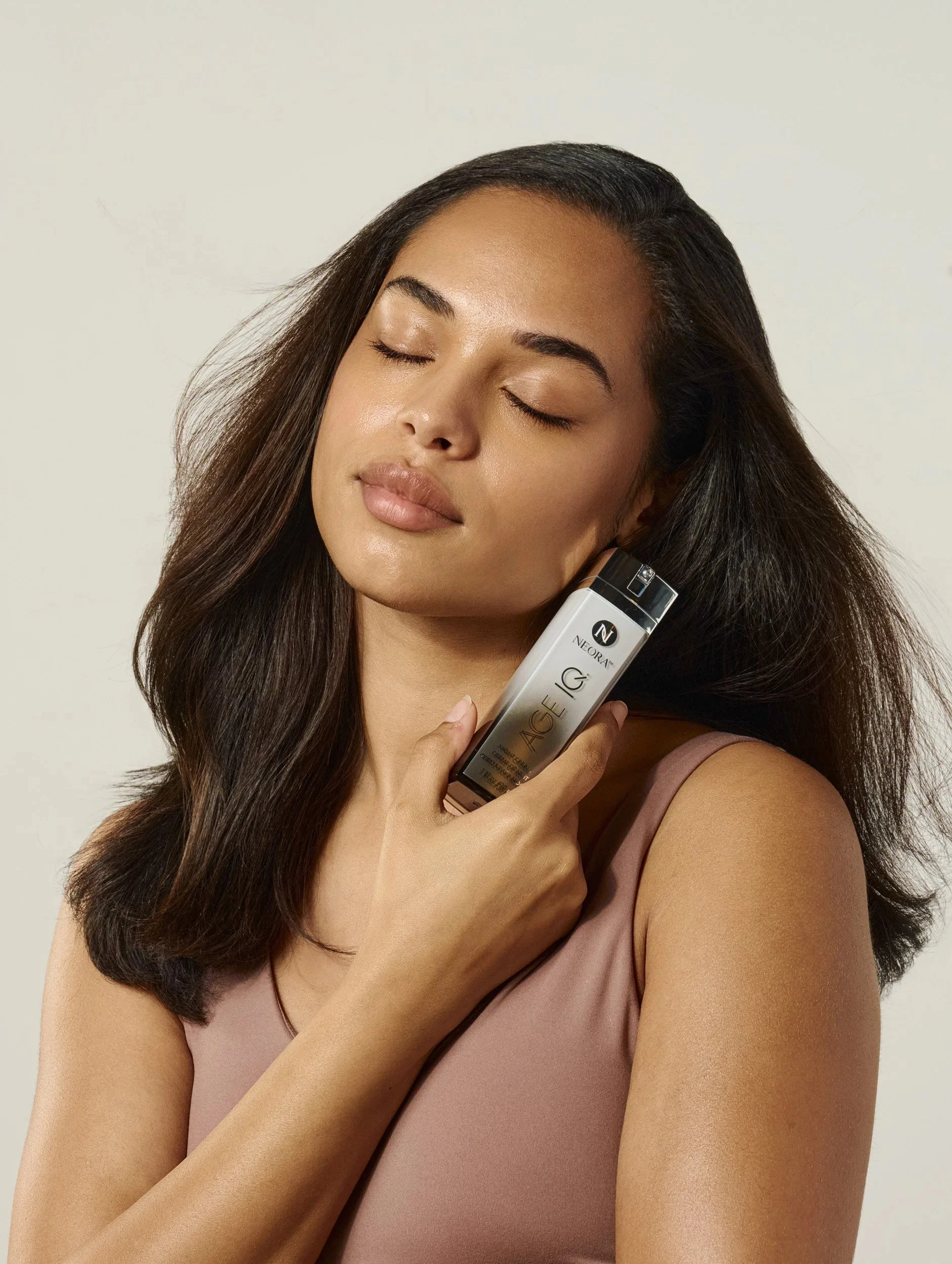
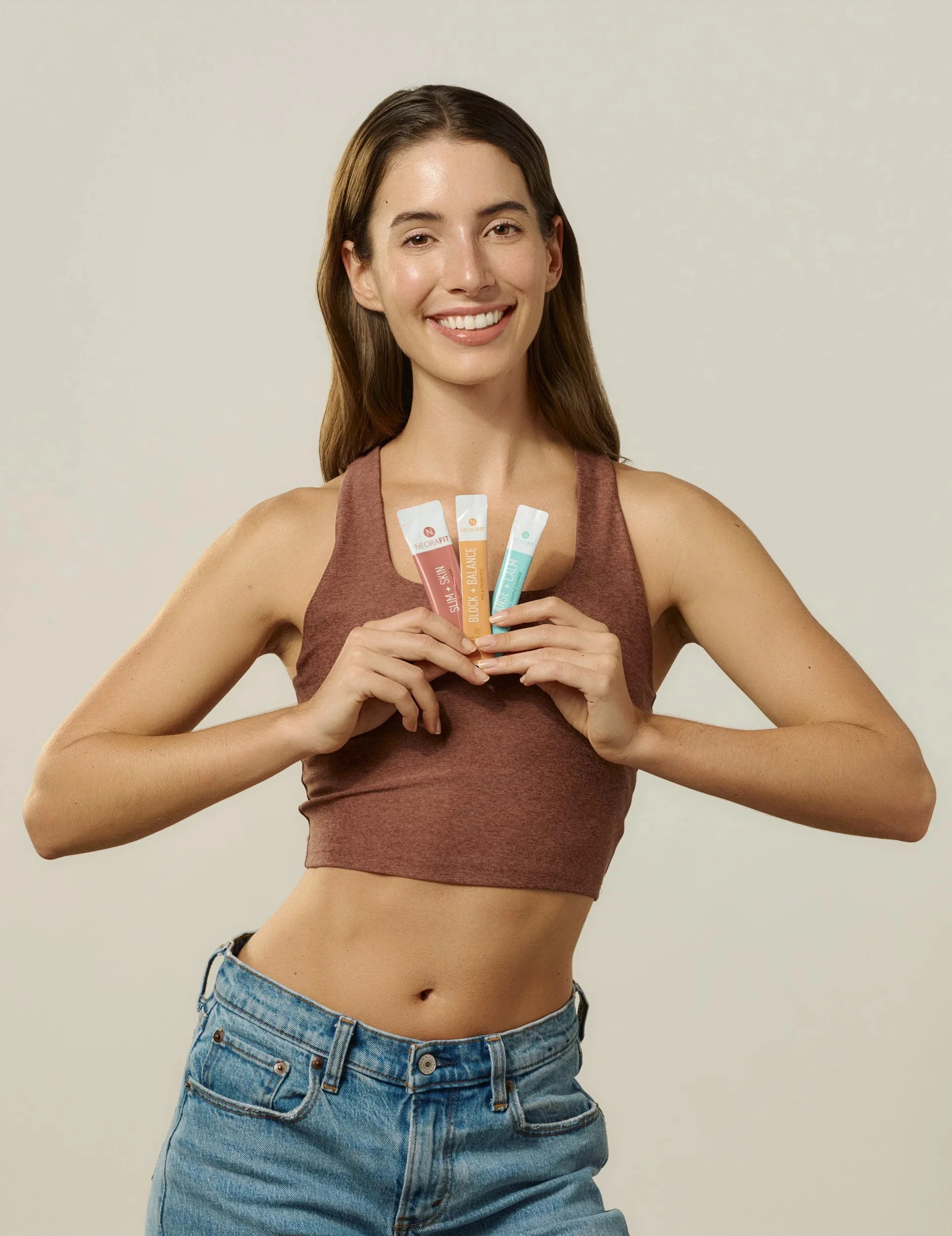
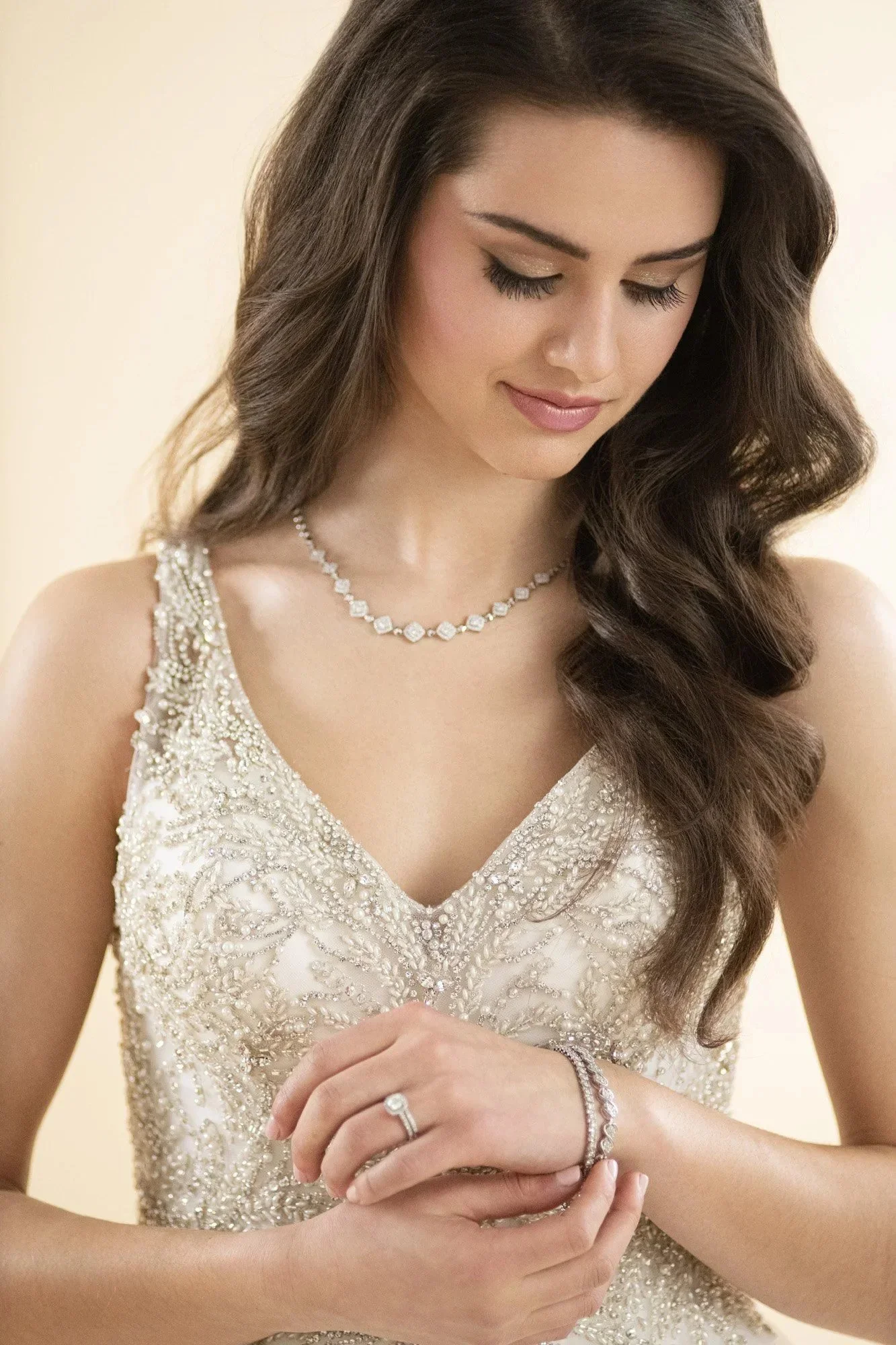
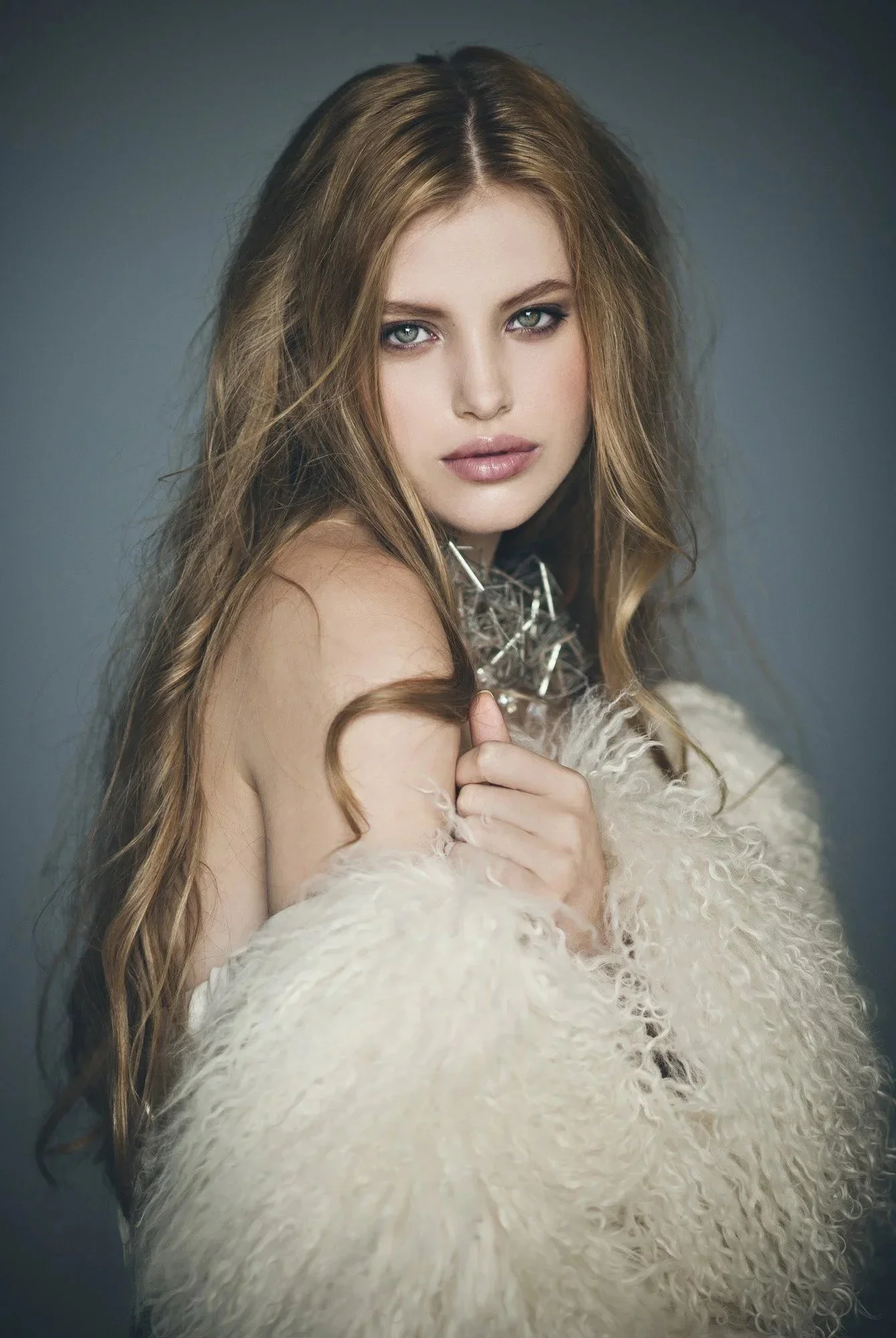
Beauty photography highlights the details that make cosmetics, skincare, and haircare products stand out. From close-up makeup portraits to commercial skincare campaigns, professional beauty photography uses lighting, styling, and careful composition to showcase product colors and textures.
For beauty brands planning campaigns in North Texas, working with our experienced Dallas–Fort Worth production team can help coordinate the creative and technical details. Understanding the process makes it easier to plan a shoot that supports your marketing goals.
This guide explains what beauty photography includes, how it differs from fashion or headshots, and how to plan a shoot from brief to delivery. You will also learn the essentials of licensing, releases, and simple legal guardrails that keep your images usable.
A successful beauty photography shoot starts with clear creative direction and careful planning. From choosing models to reviewing final images, each production decision should support your brand's message and intended use.
TL;DR
Beauty photography highlights cosmetics, skincare, haircare, and related products through portraits, product imagery, and detailed compositions.
A professional beauty shoot may involve creative planning, casting, styling, lighting, retouching, and licensing, depending on the project.
Commercial beauty campaigns generally require appropriate model permissions and clearly defined image usage rights.
Under U.S. copyright law, photographers generally own their images unless a qualifying exception or written copyright transfer applies.
Plan your beauty photoshoot around campaign goals, required deliverables, realistic production schedules, and accurate product representation.
What Is Beauty Photography?
Beauty photography is a specialized form of commercial and editorial photography that highlights makeup, skincare, hair, fragrances, and related beauty products.
It often features close-up portraits, but it can also include product-focused images, cosmetic swatches, and wider compositions. Lighting, styling, and retouching help showcase product details while maintaining accurate colors and textures.
Common use cases include brand campaigns, e-commerce swatches, cosmetics packaging, magazine beauty editorials, artist education, and social ads.
For example, makeup photography may highlight lipstick shades, foundation finishes, and product application. Skincare photography can emphasize packaging, textures, and product presentation. The type of imagery you need depends on what your campaign is promoting and where the photographs will appear.
How Beauty Photography Differs From Headshots and Fashion Photography
Headshots focus on a person's identity and expression, often for professional profiles or casting. Meanwhile, fashion photography emphasizes clothing, accessories, and overall styling.
Beauty photography focuses more on makeup, skincare, hair, and product details. These photography styles can overlap, especially in advertising and editorial campaigns.
What’s Typically Included in a Beauty Shoot
Professional beauty photography can involve creative planning, model casting, lighting, styling, and post-production. The exact services depend on your campaign's goals, budget, and deliverables. For brands planning a beauty photoshoot in Texas, understanding these stages makes it easier to organize the project and identify the support you need.
Pre-Production
Pre-production turns your campaign goals into a practical shooting plan. Along with my production team, I can help coordinate creative references, model casting, crew requirements, and scheduling before cameras start rolling.
Creative brief: Goals, hero products or techniques, target placements, aspect ratios, and must-have shots.
References: A mood board with lighting, angles, crops, and skin finish (dewy, matte, velvet).
Casting: Select models based on your target audience, cosmetic shade range, skin tones, and styling requirements. Discuss relevant product sensitivities privately with talent and makeup professionals.
Team: Photographer, producer, makeup artist (MUA), hair stylist, nail artist as needed, retoucher, digital tech.
Paperwork: Confirm talent agreements, commercial model releases, production estimates, and licensing terms that match your intended image usage.
If you're planning a cosmetics or skincare campaign, my beauty photography team can help develop mood boards, cast models, coordinate crew members, and organize production details. This lets you establish the creative direction and shooting requirements before production begins.
On-Set Practices
During your beauty photoshoot, lighting, camera settings, and styling help determine how products appear in the final images. Reviewing photographs throughout the session lets your team catch issues before moving to the next look.
Lighting: One of my strengths as a beauty photographer is selecting beauty dishes, softboxes, reflectors, and other lighting equipment based on your desired look. The team adjusts lighting to manage reflections and highlight skin texture and product finishes.
Hygiene: Makeup professionals use sanitized tools, appropriate disposable applicators, and hygienic product-handling practices. Your production schedule should allow enough time for makeup removal and skin preparation between looks.
Tethering: Most photographers connect the camera to a calibrated display so you can review focus, color, texture, and shine during the shoot.
Shot selection: As your beauty photographer, I can capture variations in expression, head position, and makeup details so you can choose images that best match your campaign goals.
Post-Production and Retouching
Post-production refines the selected photographs for their intended use. For commercial beauty photography, retouching should support your campaign's visual direction without misrepresenting product colors or performance.
RAW processing: My post-production team adjusts exposure, color, and skin tones to prepare the selected images for further editing.
Retouching: The retoucher may remove temporary blemishes, refine makeup details, and correct distractions while preserving key skin and product features.
Color management: The post-production team prepares files with appropriate color profiles for their intended digital or print use.
Deliverables and Licensing
Before your beauty shoot, confirm which image formats, crops, and usage rights your campaign requires. Clear agreements help your team use the finished photographs across approved advertising and editorial channels.
Files: Deliverables may include high-resolution retouched photographs, web-ready JPEGs, and platform-specific crops. TIFF files, layered PSDs, and other formats should be specified in the production agreement.
Usage license: Define the permitted image uses, such as paid advertising, websites, print materials, product packaging, or out-of-home campaigns. Specify any applicable duration, territory, or exclusivity requirements.
Credits: For editorial, confirm credit lines for photographer, MUA, hair, nails, and stylist.
Once you've approved the selected photographs and retouching direction, my photography crew can coordinate post-production and prepare the agreed deliverables. Confirm your required formats and intended uses early so the final images meet your campaign needs.
Editorial Photography vs Commercial Beauty Photography: Key Differences
The intended use of your photographs determines whether your beauty project is primarily editorial or commercial. Editorial photography generally supports storytelling or publication content, while commercial beauty photography promotes products, services, or brands. Knowing the difference helps you plan the appropriate creative direction, permissions, and licensing.
| Factor | Editorial Beauty | Commercial Beauty |
|---|---|---|
| Primary Goal | Storytelling or trends in magazines or blogs | Selling products or services through ads, e-commerce, or packaging |
| Approvals | Editor-driven; looser experimentation | Brand-driven; strict look guidelines and compliance |
| Releases | Requirements depend on the publication, subject, and intended use | Written model releases are standard for identifiable people appearing in advertising |
| Retouching | Artistic latitude; can be stylized | Consistent, product-true color and finish; claims-sensitive |
| Licensing | Publication rights and reuse depend on the editorial agreement | Licensing may define media, duration, territory, exclusivity, and advertising uses |
How to Plan a Beauty Shoot
Planning a beauty photoshoot involves deciding what your brand needs, preparing the creative direction, and coordinating the production schedule. These steps help you communicate your expectations and reduce avoidable delays.
1. Lock the Strategy
Start by identifying where your beauty campaign images will appear, such as e-commerce listings, product launches, advertisements, or editorial features. This determines your shot list, image dimensions, backgrounds, and number of looks. My team can also help you choose models who represent your target audience and complement the products being featured.
2. Build Your Creative North Star
My beauty photography service includes building a mood board with examples of lighting, image crops, backgrounds, and product finishes. This includes references for makeup textures, skin appearance, and your preferred level of retouching. You can also share your own examples so the creative team understands the visual direction.
3. Design Lighting for Skin
Communication plays a big role in my photography work, so I discuss the most suitable lighting styles, whether that's soft illumination for skincare or more directional lighting for dramatic makeup. My team can adjust light placement, diffusion, and reflections to highlight product finishes. My backgrounds also complement the concept without distracting from key beauty details.
4. Schedule Like a Surgeon
Allow enough time for skin preparation, makeup application, hairstyle changes, and adjustments between looks. Detailed beauty photography can require additional time for close-up work and product changes. Your production schedule should also account for breaks, hygienic makeup practices, and image reviews.
5. Nail On-Set Review
Review photographs throughout the shoot to confirm that lighting, makeup, product colors, and composition meet your expectations. When tethered capture is available, you can inspect details on a calibrated display. Record any necessary adjustments or retouching requests before moving to the next setup.
6. Retouch With Restraint
Agree on a retouching standard before you begin editing. Beauty photography often involves removing temporary blemishes, refining makeup edges, and adjusting distracting details. For commercial campaigns, editing should preserve relevant product characteristics and avoid misleading representations of results.
7. Export for Reality
Confirm the final file formats, image dimensions, color profiles, and approved usage rights with your production team. Request the crops and resolutions needed for your planned advertising, website, print, or social media placements.
Legal and Practical Essentials
Before using beauty photographs in advertising, review copyright ownership, model releases, image licensing, and applicable advertising requirements. Understanding these responsibilities helps your brand avoid disputes and use the finished images appropriately.
Copyright ownership: Confirm copyright ownership, registration responsibilities, and archiving requirements with the appropriate parties.
Model releases and likeness: Using a person’s likeness for advertising or trade generally requires written consent under state right-of-publicity or privacy statutes. Editorial or newsworthy use is typically treated differently, but definitions and exceptions vary by state.
Advertising disclosures: If your images include endorsements or material connections between a brand and talent or influencers, follow the FTC’s updated Endorsement Guides.
Color accuracy: Use ICC color profiles and a calibrated workflow so lipstick, foundation, and hair tones reproduce as intended in print and on screens.
Examples
These campaign scenarios show what to expect when planning different types of beauty photography projects. They illustrate how your campaign goals influence the production team's approach to casting, lighting, retouching, and licensing.
Indie Lipstick Launch
A startup needs 12 hero images for a paid social campaign. The team casts two models with complementary undertones and builds a board with glossy and satin finishes. On set, the MUA lines lips with a brush for crisp edges. The photographer uses a beauty dish with fill to tame specular highlights.
Retouching cleans micro-feathering, preserves lip texture, and keeps shade color true. The final license covers web, social ads, and email for 12 months in North America, with an optional paid extension.
Magazine Skin Story
A magazine commissions a dewy-skin editorial with three looks. The brief prioritizes mood and technique over product claims. The crew keeps lighting soft and high, adds a subtle rim for separation, and keeps backgrounds pale to showcase glow.
The team confirms any required talent permissions and publication rights before the images are submitted. Retouching focuses on tonal sculpting, stray hair cleanup, and gentle color balance for a natural finish fit for print.
Actionable Steps / Checklist
A step-by-step checklist keeps your production organized, on schedule, and within budget from pre-light to final delivery.
Define your goals: Identify your campaign objectives, target audience, image placements, and required shots.
Prepare creative references: Share examples of lighting, makeup styles, backgrounds, and product finishes you want.
Discuss casting: Work with your production team to select models who match your campaign requirements.
Confirm the crew: Review which professionals your shoot requires, including makeup artists, hairstylists, producers, and retouchers.
Review production documents: Confirm the shot list, schedule, model releases, budget, and intended image usage.
Approve the visual direction: Discuss lighting, composition, and product presentation with your photographer before shooting begins.
Review images during production: Check selected photographs for makeup details, product accuracy, and overall composition.
Confirm post-production requirements: Agree on retouching preferences, final file formats, and any platform-specific crops.
Verify licensing and ownership: Review copyright ownership, image usage rights, and delivery arrangements before completing the project.
Glossary
Familiarity with industry terminology makes collaborating with high-end commercial photo crews seamless and efficient.
ICC Profile: A color file that maps device color to a standard space so tones look consistent across screens and print.
Model Release: Written permission from talent allowing use of their likeness, usually for commercial purposes.
RAW File: Unprocessed camera data that preserves maximum detail and dynamic range for editing.
Dodge and Burn: Local lightening and darkening to shape tone and refine texture.
Frequency Separation: A retouching method that separates texture from color/tone layers so you can edit each with control.
Work Made for Hire: A legal copyright arrangement where an employer or qualifying commissioning party is considered the author. Commissioned works must meet specific legal requirements, including a written agreement.
Usage License: A written grant describing where, how long, and in what media images can be used.
Editorial Use: Use in news, commentary, or education, typically treated differently from advertising or trade.
FAQ
Q: How many looks can I shoot in a day?
A: The number of looks depends on makeup complexity, hairstyle changes, lighting setups, and the number of final images required. Simple variations may take less time, while detailed beauty concepts require longer preparation. Your photographer can help establish a realistic shooting schedule based on the approved shot list.
Q: Do I always need a model release?
A: For advertising or trade use, written consent from talent is the safe default. Editorial use can differ, and requirements vary by state and publisher.
Q: Who owns the photos from the shoot?
A: In the United States, the photographer generally owns the copyright unless a valid work-made-for-hire arrangement or written copyright transfer applies. Clients often receive licensed usage rights rather than copyright ownership. Confirm the terms before production begins.
Q: How much retouching is too much?
A: Retouching should support your campaign's visual direction without misleading viewers about product appearance or results. Temporary blemishes and stray hairs may be removed. However, significant changes to skin texture or cosmetic shades can be inappropriate when those details are central to the advertisement.
Q: What color space should I deliver?
A: sRGB is safest for web and social. Use printer-recommended profiles for print and include embedded ICC profiles in deliverables.
Final Thoughts
A successful beauty photography shoot starts with a clear understanding of your products, audience, and campaign goals. From casting and lighting to retouching and licensing, each stage should support the final images you need.
Based in the Dallas–Fort Worth area, I work with beauty brands across Texas and beyond on commercial photography and video productions. My beauty photography team can coordinate creative planning, model casting, crew arrangements, and post-production to support your campaign's requirements.
If you're preparing a cosmetics launch, skincare campaign, or beauty editorial, share your creative brief, intended image uses, and production goals with my photography crew. My production team can help develop the shooting plan, coordinate the necessary resources, and establish the deliverables for your project.