Luxury Swimwear Photography vs Commercial Swimwear Photography: Key Differences Before You Book a Shoot
Swimwear imagery sells a promise long before it sells fabric. Yet the way you shoot a $300 designer bikini shouldn't look or feel like a mass retail product page. Knowing the difference between luxury and commercial swimwear photography helps designers, resort brands, retailers, and lifestyle companies plan smarter shoots, protect their brand, and spend their production budget where it matters.
This guide breaks down the creative, production, and legal choices that separate the two. You will see how goals drive style, what teams to hire, and how to keep usage rights and disclosures clean.
For brands planning a swimwear launch, resort campaign, catalog refresh, or paid advertising rollout, Dixie Dixon can help shape the production around both creative impact and practical deliverables, from mood boards and casting to location scouting, still photography, motion, and post-production.
TL;DR
Luxury swimwear photography sells desire and brand world, while commercial swimwear photography sells clarity, options, and conversion.
Luxury favors mood, story, and craft lighting, whereas commercial favors consistency, speed, and scale across SKUs.
Contracts, releases, usage rights, and brand-clearance decisions apply to both. FTC disclosure rules matter when influencers, creators, gift products, affiliate links, or paid endorsements are part of the campaign.
Decide on the goal and usage first, then lock in casting, location, lighting, and deliverables to fit that plan.
How Luxury Swimwear Photography Works
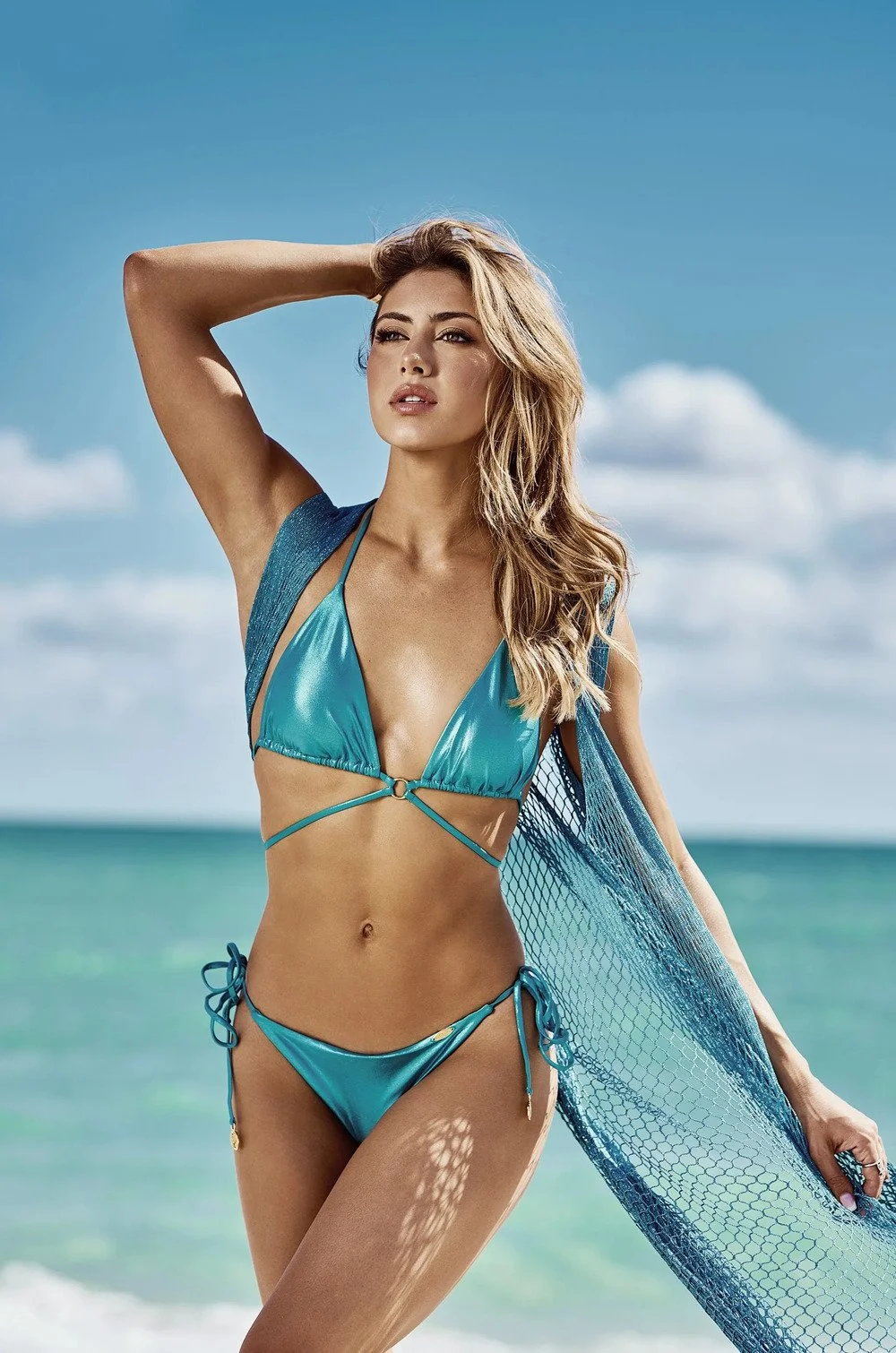
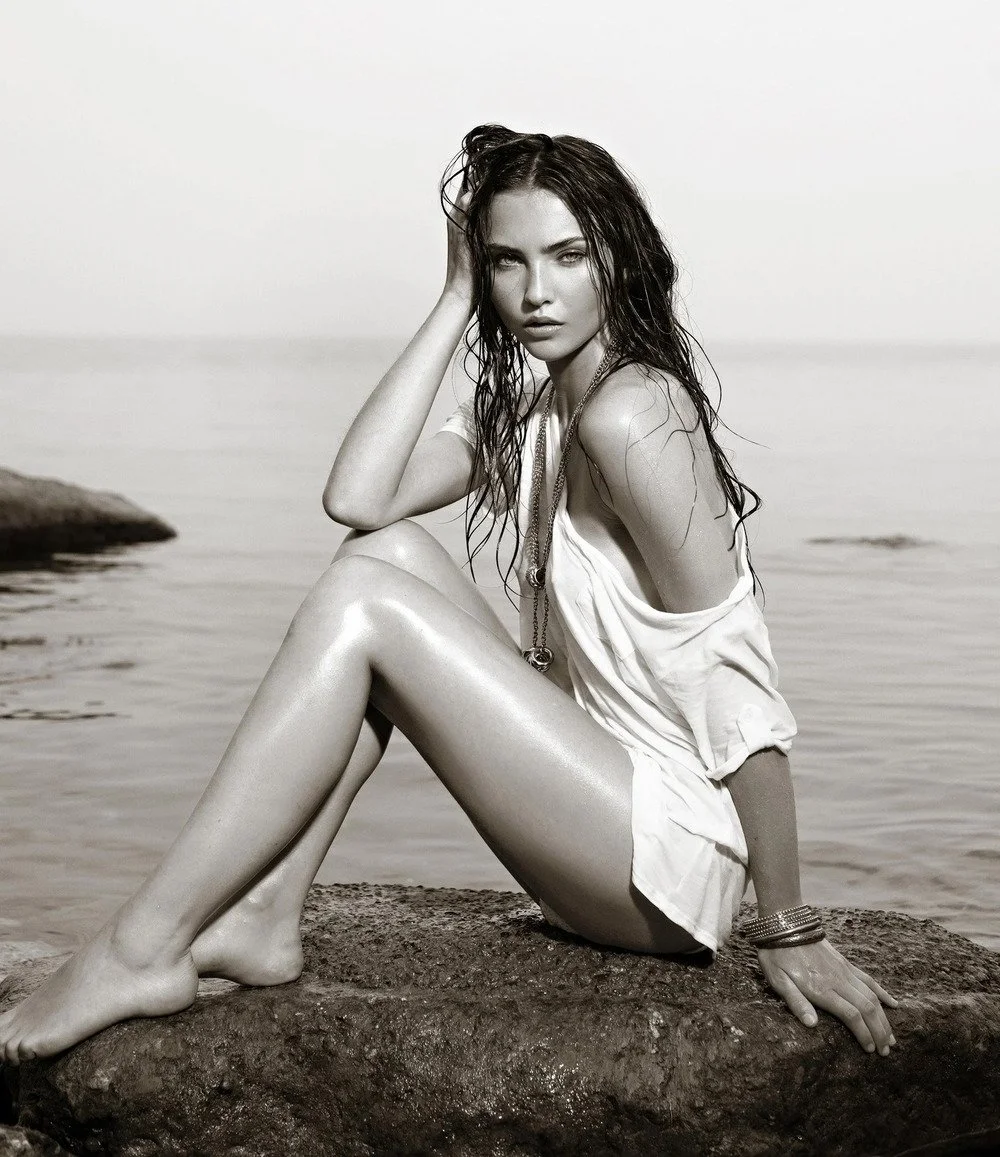
Luxury swimwear photography is about aspiration, brand world, and the feeling a customer wants to step into. The creative centers on mood, narrative, and craft details that signal taste. Think dawn or golden-hour light, refined posing, cohesive color palettes, and subtle retouching that keeps skin believable.
Casting often leans editorial and expressive, although the right choice depends on the customer, campaign story, and how the swimwear should feel on the body. Wardrobe styling and set design are minimal yet intentional, so the image feels effortless and expensive.
Deliverables are fewer but deeper, including hero images, short brand films, and select social edits. File treatment is meticulous, with careful color grading (shaping color and contrast in post) to protect brand tones. Approvals move more slowly, and art direction is precise because a single image may anchor a season.
For a designer swimwear line, resort collection, or elevated lifestyle campaign, my luxury swimwear photography team can build the shoot around the brand world first. With my luxury photography experience, I can translate that vision into hero stills, short-form motion, and polished campaign assets that feel cohesive across web, social, print, and advertising.
How Commercial Swimwear Photography Works
Commercial swimwear photography aims for sell-through, product clarity, and repeatable assets that help shoppers compare styles, colors, fit, and details. It prioritizes accurate color, consistent angles, size, and color variants, and quick turnarounds.
Expect bright, repeatable lighting, clean backgrounds, and efficient set flows that cover on-model, detail, and e‑commerce shots in a single day. Casting should reflect the customer, size range, fit goals, and available samples, especially when images need to support e-commerce, catalogs, paid media, or wholesale presentations.
Retouching focuses on fit accuracy and fabric detail. Deliverables are many and structured: product grids, PDP (product detail page) stacks, marketplace crops, and promos sized for ads and email. The metric is performance, not poetry, so teams plan for volume, speed, and easy reuse.
For commercial swimwear collections with multiple SKUs, my commercial swimwear photography team can plan the shoot around the full asset list. This includes on-model images, detail crops, lifestyle variations, video snippets, ad crops, and organized post-production files that match how the brand will actually use the content.
Luxury Swimwear Photography vs Commercial Swimwear Photography: Side-By-Side Differences That Drive Decisions
Understanding the difference between high-fashion campaign imagery and volume-driven e-commerce imagery helps your brand make better decisions about budget, crew, casting, location, and deliverables.
| Dimension | Luxury Swimwear | Commercial Swimwear |
|---|---|---|
| Primary Goal | Brand desire and prestige | Clarity, conversion, and scale |
| Creative Tone | Narrative, emotive, editorial | Informational, consistent, retail-ready |
| Casting | Editorial presence, expressive movement, and brand-fit casting | Customer-aligned casting based on size range, fit goals, samples, and market |
| Locations | Studio, resort, destination, architecture, or controlled set chosen for the brand world | Studio, controlled outdoor, or repeatable lifestyle setup |
| Lighting | Sculpted natural or crafted strobe | Even, repeatable, color-accurate |
| Styling and props | Minimal, refined, tactile textures | Practical, fits PDP and promo needs |
| Retouching | Subtle polish, filmic color grade | Accuracy to product, clean skin, and fabric |
| Deliverables | Few heroes, campaign cuts | High-volume PDP, ads, marketplaces |
| Usage rights | Fewer hero assets, often with premium or longer-term campaign usage | High-volume usage across e-commerce, ads, email, wholesale, and seasonal campaigns |
| Success metric | Brand lift, editorial pickup | Click-through, ROAS, sell-through |
| Timeline | Longer pre-pro and approvals | Fast cycles and batch scheduling |
| Budget profile | Higher per-image craft | Lower per-image, higher total volume |
| Compliance focus | Releases, location permissions | Releases, SKU accuracy, licensing, trademark clearance, and disclosures if endorsements are involved |
For Texas-based brands, national retailers, and destination swimwear campaigns, a Dallas-based production team can be especially useful when the project needs both local coordination and the ability to travel.
My photography team works across fashion, lifestyle, swimwear, beauty, advertising, and commercial productions. I can shape the creative direction while keeping the production details organized.
Production Choices That Matter in Both
Aligning these elements early helps the team work efficiently in a Dallas studio, a Texas resort setting, a controlled outdoor location, or a destination production anywhere the campaign story needs to happen.
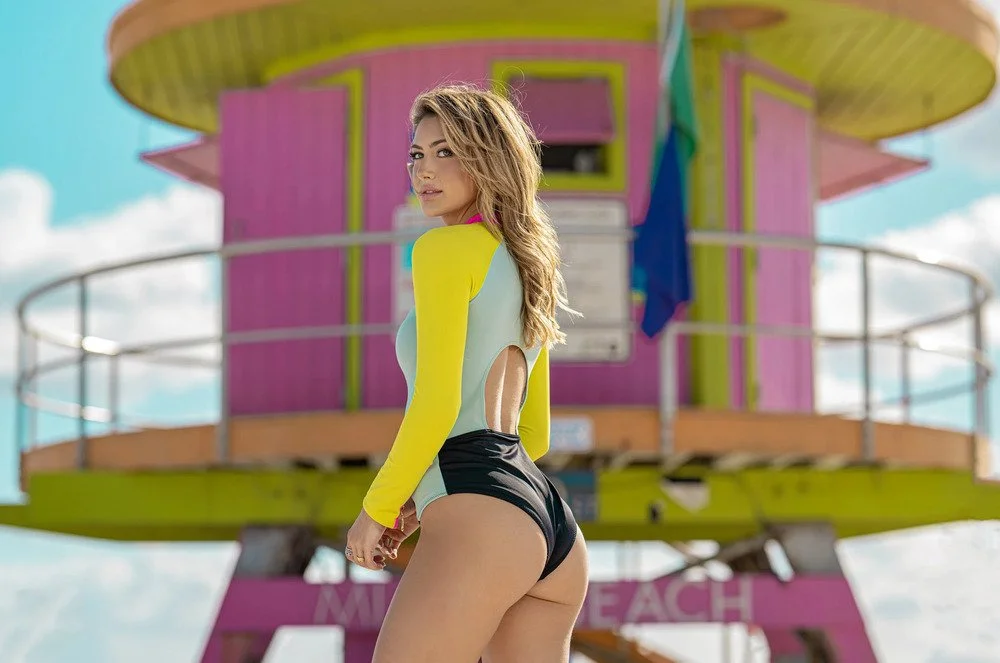
Image Rights and Releases
If a person is recognizable and the image will be used for advertising, e-commerce, paid social, lookbooks, or other commercial promotion, plan on getting a signed model release. A signed model release records that consent.
Requirements vary by state. In Texas, commercial use of a recognizable person’s identity without permission is commonly discussed as misappropriation of name or likeness. Texas also has a statutory right of publicity for certain uses of a deceased person’s name, voice, signature, photograph, or likeness. Build time to collect, store, and track signed releases for everyone on camera.
Ownership vs Licensing
In the U.S., the photographer is generally the initial copyright owner once the image is created, unless the work qualifies as a work made for hire or the copyright is assigned in writing.
Clients receive usage rights through a license, unless the work qualifies as a legally defined work made for hire or the copyright is assigned in writing. Spell out who owns what, where images can run, for how long, and renewal terms in the contract.
Endorsements and Influencers
If talent, creators, or influencers endorse your swimwear or you gift a product tied to posts, you must disclose any material connection clearly and conspicuously.
This applies to luxury and commercial campaigns alike. Plan captions, overlays, and platform-specific placements that meet the guides and brief talent.
Trademarks and Brand Elements
Third-party logos, recognizable brand marks, distinctive packaging, and protected designs can create clearance issues when they appear in commercial advertising.
Minimize incidental logos in frame, get permissions when needed, or plan wardrobe and props to avoid conflicts. Your own marks should be used consistently and protected.
Logistics That Keep You on Time
Smooth behind-the-scenes management helps protect the shoot day, especially when the production involves models, swimwear samples, weather, water, styling, travel, or multiple content formats.
Scouting: Luxury needs light and texture, while commercial needs workflow and access.
Call sheet: Define crew, timings, and contingencies for weather and tides.
Color control: Shoot RAW (sensor data file) and use color charts for accurate product rendering.
Data: Dual-card capture, on-set backup, and a file naming schema that maps to SKUs.
Inclusive fit: Build time for size changes, pinning, steaming, and quick fit checks.
When to Blend Both Styles
Many swimwear, resort, fashion, and lifestyle brands need hybrid output. One approach is to start with elevated hero images on location, then move into a controlled setup for PDP stacks, detail shots, and ad crops.
Use a single-color pipeline and a single retouching team so the campaign imagery and commercial assets still feel connected. The result is a library of visuals that can support brand storytelling, e-commerce, paid media, email, wholesale, and seasonal promotions.
Does your collection need both mood-driven campaign visuals and practical selling assets? My professional swimwear photography service can plan the shot list so the same production supports lifestyle storytelling, product clarity, stills, motion, and platform-specific deliverables.
Examples
These scenarios show how different swimwear brands might use luxury, commercial, or hybrid photography depending on their sales goals, audience, and campaign channels.
A Heritage Resort Label
A high-end resort or lifestyle brand launches a swim capsule. The team scouts a volcanic coastline with textured rock and low-angle sunset light. Casting favors two models with editorial presence and expressive movement.
The crew captures a few iconic wide angles, video snippets for a 15-second cut, and close details of texture and hardware. Images run in print, outdoor advertising, paid social, email, and as hero assets across the brand’s website. Model releases, location permission, and a clean license define usage across two years.
A Large Retailer Spring Refresh
A nationwide retailer needs 30 SKUs live in two weeks. Production takes place in a studio with a cyc wall and a consistent 3-light setup to ensure color accuracy. The runlist covers on-model full-body, back-view, three details per suit, and a smiling crop for promo cards.
Casting reflects size range, while a fit stylist keeps garments consistent across models. Files are named to SKU, matched to colorways, and QCed against sample swatches. The campaign also includes paid social; captions use clear ad disclosures and tagged links.
Actionable Steps / Checklist
Use this checklist to keep a swimwear production organized, whether the shoot is planned for a Dallas studio, a Texas location, a resort property, or a destination campaign.
Define the primary goal, whether it's brand awareness or fast conversion.
Lock usage early, including channels, geographies, terms, and exclusivity.
Choose casting to match the goal and the customer, then confirm releases.
Scout with light in mind and secure permits or location permissions.
Specify lighting, lenses, and backdrops for consistency across SKUs.
Create a shot list by deliverable, covering hero shots, PDP, details, and video cutdowns.
Share the SKU count, usage channels, campaign deadline, model needs, and motion requirements with the production team before the estimate is built.
Set up a color pipeline from RAW capture to reference chart and monitor calibration.
Write clear contracts covering ownership, license scope, and renewals.
If endorsements or gifting are involved, prewrite compliant disclosures.
Plan file naming and backups. Mirror to two drives on a set.
Schedule realistic retouching passes and product-accuracy checks.
Measure what matters, including brand lift, press pickup, and campaign cohesion for luxury imagery.
Use ROAS, click-through, PDP performance, sell-through, and asset reuse for commercial imagery.
Glossary
Clear production language helps clients, agencies, photographers, stylists, retouchers, and marketing teams stay aligned before the shoot begins.
Model Release: A signed consent form allowing the use of a person’s likeness in advertising.
Right of Publicity: State-law right controlling commercial use of one’s name, image, or likeness.
Work Made For Hire: A narrow legal category where the commissioning party is the author and copyright owner.
Usage License: Contract terms that define where, how long, and how images can be used.
PDP: Product detail page, the page where a shopper sees photos, specs, and buys.
Color Grading: Creative adjustments to color and contrast to set the mood and maintain consistency.
Hero Image: A flagship visual used as the main brand or campaign asset.
Tethered Capture: Shooting directly into a computer for instant preview and QC.
FAQ
Q: Do I always need a model release for swimwear shoots?
A: For advertising or trade uses with recognizable people, plan on it. Right of publicity rules vary by state, with exceptions for news or expressive works. A signed release is standard practice.
Q: Who owns the photos from my shoot?
A: In the U.S., the photographer is generally the initial copyright owner unless the work qualifies as a work made for hire or the copyright is assigned in writing. Your agreement should clearly define the usage license, including channels, term, geography, exclusivity, and renewal options.
Q: Can I shoot on a public beach without permits?
A: Rules vary by city, county, park authority, private property owner, and coastal or resort location. Small lifestyle crews may have fewer requirements, while larger productions with lighting, wardrobe, tents, vehicles, drones, or closed-off areas may require permits. For Texas, Dallas-area, resort, beach, or destination shoots, check approvals early so locations don't delay the production schedule.
Q: What makes luxury images feel expensive?
A: Purposeful casting, sculpted light, restrained styling, clean typography in layouts, and cohesive color grading. The craft supports story, not just product.
Q: How do I keep ads compliant if influencers are involved?
A: Disclose material connections clearly and conspicuously on every platform and placement, and brief talent using examples that match the FTC’s guides.
Final Thoughts
Both luxury and commercial swimwear photography can be excellent when they serve a clear goal. Decide whether your images need to build desire, explain fit, support e-commerce, fuel paid media, or do all of the above. After that, align the creative direction, production plan, usage rights, and success metrics around that purpose.
For brands building swimwear, resort, fashion, or lifestyle campaigns from Texas or anywhere in the world, my swimwear photography services can help turn that strategy into polished still and motion assets that feel beautiful, useful, and brand-right.